

Slow Travel Experiences are transforming the way travelers explore the world. Instead of rushing through popular tourist attractions, slow travel encourages immersing oneself fully in the culture, landscape, and rhythms of a destination. It’s about quality over quantity, connection over speed, and meaningful memories over checklists.
Imagine spending a week in a small Italian village, learning to cook local dishes from a nonna, strolling through vineyards at your own pace, and chatting with artisans in their workshops. This is the essence of Slow Travel Experiences—living the place rather than merely passing through it.
In today’s fast-paced world, where travel itineraries are often packed with dozens of destinations in a short time, slow travel offers a refreshing alternative. It’s not just a style of travel; it’s a mindset that enhances well-being, supports local communities, and creates unforgettable experiences.
What Are Slow Travel Experiences?
Slow Travel Experiences focus on spending more time in fewer places, engaging deeply with local culture, cuisine, nature, and people. Rather than rushing to capture every landmark, travelers savor the journey itself, from morning markets to quiet sunsets.
The concept draws inspiration from the broader slow movement, which emphasizes mindfulness and conscious living. Slow travel can take many forms, from eco-friendly stays in rural villages to long bike rides through countryside towns, or multi-day hikes through scenic landscapes.
For example, a couple visiting Japan might choose to stay in a ryokan for ten days, exploring nearby towns, practicing meditation, and participating in local tea ceremonies. By slowing down, they experience a depth of culture and daily life that conventional tourism rarely offers.
Benefits of Slow Travel Experiences
Deep Cultural Immersion
One of the greatest benefits of Slow Travel Experiences is the opportunity to connect with local traditions and people. By spending more time in a single location, travelers gain insights into daily life, customs, and stories that are invisible to those on a whirlwind tour.
Mental Well-being and Mindfulness
Slow travel promotes relaxation and reduces stress. Travelers have time to pause, reflect, and engage with their surroundings. Walking through ancient streets without a strict schedule or enjoying a long meal with locals can provide a sense of calm and fulfillment.
Sustainable Tourism
By staying longer in fewer places, slow travelers minimize the environmental impact of frequent flights, excessive transportation, and over-tourism. Supporting local businesses like family-run inns, markets, and artisanal shops also strengthens community economies.
Authentic Experiences
Slow travel allows for spontaneous adventures and authentic interactions. You might join a local festival, help a fisherman with his daily routine, or learn a traditional craft—experiences that create lasting memories beyond standard sightseeing.
Enhanced Creativity and Learning
Spending extended time in one place encourages observation, creativity, and reflection. Writers, photographers, and artists often find inspiration in slow travel, capturing subtle details that are usually overlooked in fast-paced itineraries.
How to Plan Slow Travel Experiences
The key to Slow Travel Experiences is intentionality. Planning doesn’t mean scheduling every hour; it means choosing locations, accommodations, and activities that allow for deep engagement.
Step 1: Choose Your Destination Wisely
Select a place that encourages exploration at a relaxed pace. Small towns, countryside regions, or culturally rich neighborhoods offer opportunities for immersion and meaningful experiences.
Step 2: Prioritize Local Stays
Opt for homestays, guesthouses, or eco-lodges where hosts provide authentic cultural insights. Staying longer in a single place fosters connections with locals and supports sustainable tourism practices.
Step 3: Embrace Local Transportation
Instead of hopping on high-speed trains or taxis constantly, walk, cycle, or take public transport. These slower modes of travel allow travelers to notice details, interact with locals, and enjoy the journey itself.
Step 4: Engage With the Community
Attend workshops, markets, or cultural events. Ask questions, share meals, and learn local crafts. The richer your engagement, the deeper your experience becomes.
Step 5: Practice Mindfulness
Slow travel isn’t just about moving slowly—it’s about being present. Take time to savor meals, listen to stories, and appreciate the environment without distractions like constant social media updates or overpacking your schedule.
Real-Life Examples of Slow Travel Experiences
Several travelers and destinations exemplify the benefits of slow travel:
1. Tuscany, Italy: Tourists often rent villas for weeks, exploring vineyards, cooking local recipes, and joining wine harvests at their own pace. The long stay fosters relationships with locals and a deep appreciation for regional traditions.
2. Kyoto, Japan: Travelers spend days wandering temples, participating in tea ceremonies, and strolling through bamboo forests. The slow pace allows cultural observation and spiritual reflection.
3. Andalusia, Spain: Travelers stay in small villages, join flamenco classes, and visit local markets. By avoiding busy tourist hubs, they experience authentic Andalusian life.
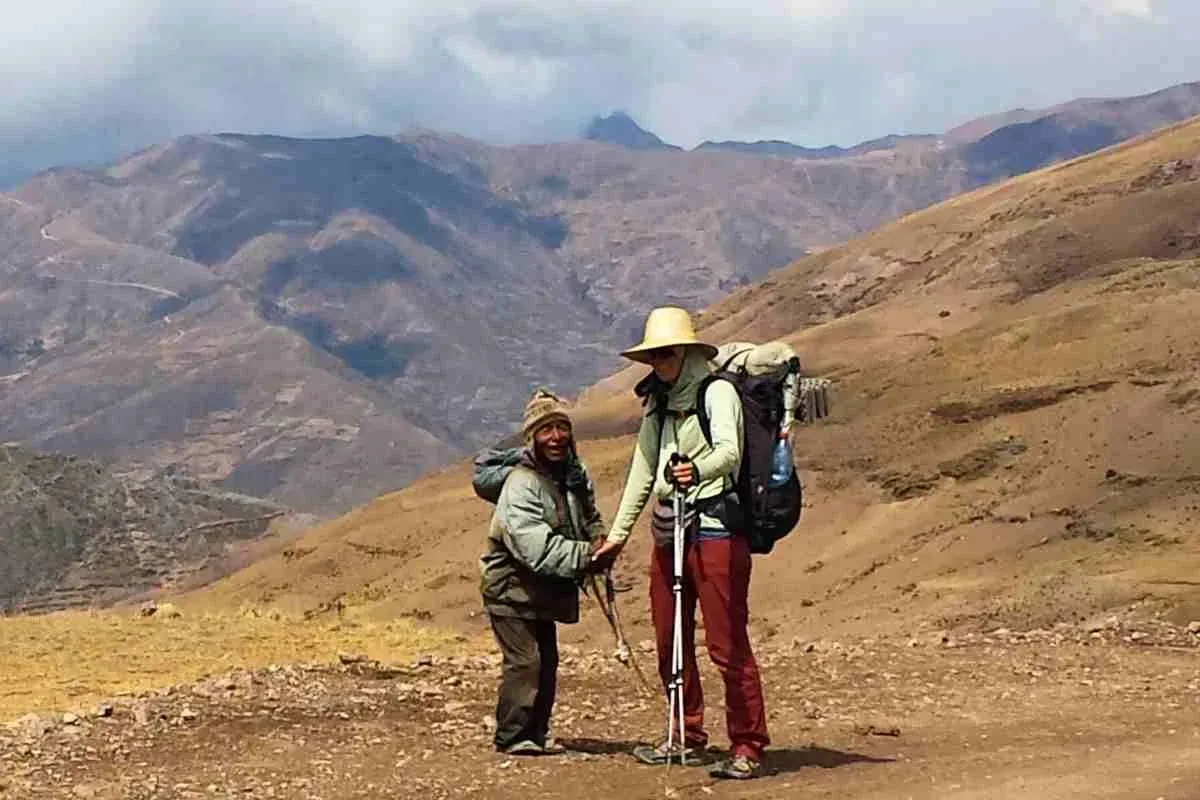
4. Patagonia, Chile and Argentina: Hiking through remote landscapes over several days allows travelers to immerse themselves in nature, wildlife, and local culture, experiencing the environment fully without rush.
5. Kerala, India: Tourists spend weeks exploring backwaters, participating in Ayurvedic wellness programs, and learning traditional fishing and farming techniques. The pace encourages mindful engagement with both culture and environment.
Challenges of Slow Travel Experiences
While enriching, Slow Travel Experiences come with challenges. Longer stays require time flexibility and sometimes a higher initial budget. Travelers may also need to adapt to unfamiliar routines, languages, or limited conveniences.
Overcoming these challenges requires a mindset shift—valuing experiences over efficiency and embracing the unexpected. With proper planning and openness, these obstacles become part of the journey itself, often adding to the authenticity of the experience.
Trends in Slow Travel Experiences
The popularity of slow travel is growing, especially as travelers seek more sustainable, meaningful, and wellness-oriented journeys. Digital nomads, wellness retreats, and eco-conscious tourists increasingly prioritize extended stays, local immersion, and mindful exploration.
Technological tools, such as apps for local experiences, slow travel guides, and language-learning platforms, support travelers in planning immersive and sustainable trips. Additionally, there is a growing focus on integrating slow travel with environmental responsibility, ensuring that tourism benefits both visitors and host communities.
Tips for Making the Most of Slow Travel Experiences
To fully embrace Slow Travel Experiences, travelers should focus on flexibility, curiosity, and mindfulness. Avoid overplanning, allow for spontaneous discoveries, and prioritize meaningful interactions with locals.
Documenting experiences through journaling, photography, or creative projects enhances reflection and helps preserve memories. Engaging in local activities rather than typical tourist attractions deepens cultural understanding and creates stories worth sharing for years.
Being present in each moment—listening to conversations, tasting authentic meals, and observing the environment—turns ordinary travel into extraordinary experiences. Slow travel is as much about internal growth as it is about external exploration.
Read also :-