

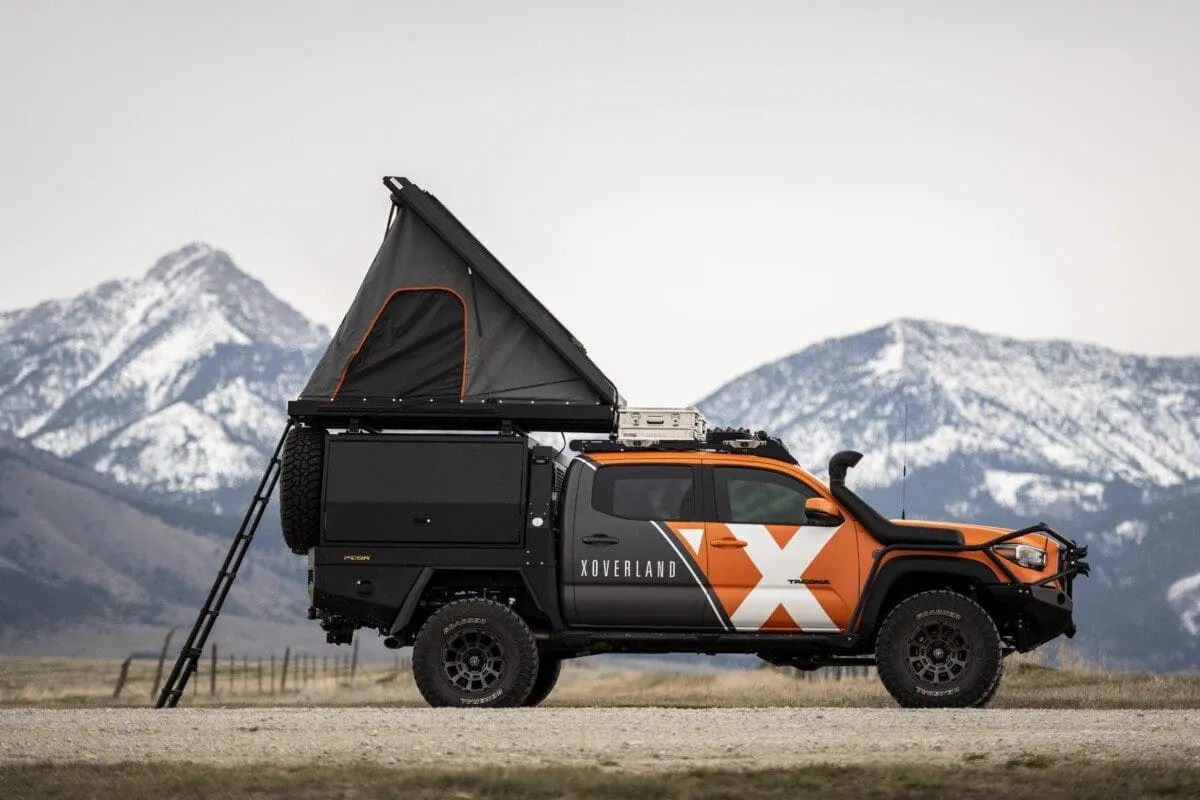
Overlanding truck setup is the key to unlocking the full potential of off-road adventures. For explorers seeking independence and self-sufficiency, a well-prepared truck becomes a home on wheels, capable of navigating rugged terrains while providing comfort and storage for extended trips.
Imagine hitting a remote trail in your four-wheel-drive truck, carrying supplies for a week, equipped with tools, recovery gear, and sleeping arrangements. With a proper overlanding truck setup, every trip becomes safer, smoother, and more enjoyable.
In this article, we’ll explore essential components, customization tips, and real-world advice for creating a reliable overlanding truck setup.
Choosing the Right Vehicle for Overlanding
The foundation of any overlanding truck setup is a capable and reliable vehicle. Popular choices include mid-size and full-size pickups with four-wheel drive, high ground clearance, and robust suspension.
Durability, payload capacity, and aftermarket support are crucial factors. Vehicles like the Toyota Tacoma, Ford Ranger, and Jeep Gladiator are often preferred for their reliability and upgrade potential.
Suspension and Lift Considerations
An effective overlanding truck setup often starts with suspension upgrades. Adding a lift kit improves ground clearance, allowing for better approach, departure, and break-over angles on rough trails.
Upgraded shocks and springs help manage heavy loads and maintain ride quality. Properly tuned suspension ensures stability and safety while carrying gear and navigating off-road obstacles.
Tires and Wheel Upgrades
Tires play a pivotal role in a successful overlanding truck setup. All-terrain or mud-terrain tires provide better traction on dirt, mud, sand, or gravel.
Upgrading wheels to a durable design enhances strength and helps prevent damage in rocky environments. Consider tire size in relation to lift and suspension to maintain optimal handling and clearance.
Storage Solutions for Long Trips
Storage is critical in any overlanding truck setup. Bed-mounted drawers, roof racks, and storage boxes organize supplies, tools, and camping gear.
Efficient storage allows quick access to essentials while preventing clutter inside the truck. A well-organized system ensures that even multi-day trips are manageable and stress-free.
Roof Tents and Sleeping Arrangements
Many adventurers include a roof tent in their overlanding truck setup. Roof tents provide elevated sleeping quarters, keeping occupants safe from animals, moisture, and uneven terrain.
For longer trips, combine roof tents with bed-mounted sleeping platforms, creating a versatile, comfortable setup for extended off-grid adventures.
Recovery Gear Essentials
No overlanding truck setup is complete without recovery gear. Winches, tow straps, shackles, and recovery boards help free the truck from mud, sand, or snow.
Properly mounted and organized recovery equipment ensures readiness for unexpected situations. Safety is enhanced by having the right tools at hand, reducing risks during remote travel.
Power and Electrical Systems
Reliable power is essential in any overlanding truck setup. Dual batteries, solar panels, and inverter systems allow you to operate lights, fridges, and communication devices off-grid.
Proper wiring and energy management prevent electrical failures during extended trips. A well-planned electrical system enhances comfort and functionality in remote locations.
Water Storage and Filtration
Staying hydrated is critical during overlanding. Incorporating water storage tanks or portable containers into your overlanding truck setup ensures access to clean water.
Adding a filtration system allows refilling from natural sources safely, supporting longer excursions without relying on town stops.
Fuel and Range Considerations
Fuel management is a key component of a robust overlanding truck setup. Auxiliary fuel tanks or jerry cans extend travel range in remote areas with limited fuel availability.
Planning fuel stops and monitoring consumption prevents being stranded far from civilization, ensuring peace of mind on long journeys.
Lighting and Visibility
Upgraded LED light bars, spotlights, and auxiliary lighting enhance safety during night driving or low-visibility conditions. A comprehensive overlanding truck setup includes forward-facing lights, rear flood lights, and cab or tent illumination for campsite setup.
High-quality lighting improves both safety and the overall overlanding experience.
Communication Systems
Staying connected in remote areas is important. Incorporating CB radios, satellite phones, or two-way radios into your overlanding truck setup ensures communication with fellow travelers or emergency services.
Properly installed antennas and power sources maximize range and reliability.
Real-Life Example: Weekend Overlanding Trip
Consider an overlander preparing for a weekend trip in the Rockies. With a full overlanding truck setup, they load water, food, recovery gear, and a roof tent.
During the trip, a muddy trail challenges traction. Thanks to recovery boards and winches included in the setup, the vehicle navigates safely without delay. The trip illustrates how thoughtful preparation transforms potential problems into manageable adventures.
Modular vs. Permanent Upgrades
Deciding between modular and permanent upgrades is a key factor in overlanding truck setup planning. Modular systems allow flexibility for various trips, while permanent installations provide durability and integrated functionality.
A balance between the two ensures versatility without compromising vehicle integrity or daily usability.
Cooking and Camp Setup
Many overlanders integrate portable stoves, kitchen drawers, and compact storage into their overlanding truck setup. Efficient camp setups save time and reduce environmental impact.
Proper organization allows quick preparation of meals, maintaining comfort during extended trips.
Safety and First Aid
Safety is paramount. Incorporating first aid kits, fire extinguishers, and emergency signaling devices into your overlanding truck setup ensures preparedness for accidents or injuries.
Regularly checking and updating safety equipment guarantees readiness for unexpected situations.
Weatherproofing and Shelter
Weather can be unpredictable. Including awnings, rain covers, and insulated sleeping arrangements in your overlanding truck setup ensures comfort in rain, wind, or extreme temperatures.
Proper shelter solutions extend overlanding opportunities regardless of climate.
Maintenance and Tool Kits
A complete overlanding truck setup includes basic tools, spare parts, and maintenance kits. Being able to address minor mechanical issues on the trail avoids costly delays and ensures self-sufficiency.
Tool kits should be organized, labeled, and easily accessible to enhance efficiency during repairs.
Navigational Aids
GPS devices, topographic maps, and trail navigation apps are critical in any overlanding truck setup. Reliable navigation prevents getting lost in remote areas and ensures safe, efficient route planning.
Combining digital and analog navigation tools enhances safety and confidence on challenging trails.
Cost Considerations
Creating a full overlanding truck setup involves upfront investment, including tires, suspension, storage, and accessories. While costs vary based on vehicle type and gear quality, the long-term benefits—safety, comfort, and preparedness—justify the investment.
Budgeting and phased upgrades allow overlanders to spread expenses over time while gradually building a capable setup.
Customization and Personalization
No two overlanders are alike. Customizing your overlanding truck setup based on travel style, vehicle type, and personal preferences ensures maximum utility.
Whether prioritizing lightweight gear, extended range, or luxury camping, tailored modifications optimize performance and comfort.
Environmental and Ethical Considerations
Responsible overlanding respects nature. Integrating eco-friendly storage, waste management, and minimal-impact camp practices into your overlanding truck setup ensures sustainable exploration.
Adhering to local regulations and leaving no trace preserves trails and access for future adventurers.
Networking and Community Advice
Engaging with overlanding communities provides valuable insights for your overlanding truck setup. Experienced adventurers share tips on gear selection, trail navigation, and problem-solving for specific terrains.
Community knowledge accelerates learning, helping newcomers build a reliable, efficient setup.
Adventure Ready: Final Preparation
With a fully equipped overlanding truck setup, drivers gain independence, safety, and confidence for extended trips. Each component, from recovery gear to sleeping arrangements, contributes to seamless off-grid experiences.
Investing time and thought into a comprehensive setup maximizes enjoyment and minimizes risks, making overlanding an accessible and rewarding adventure.
Read also:-