

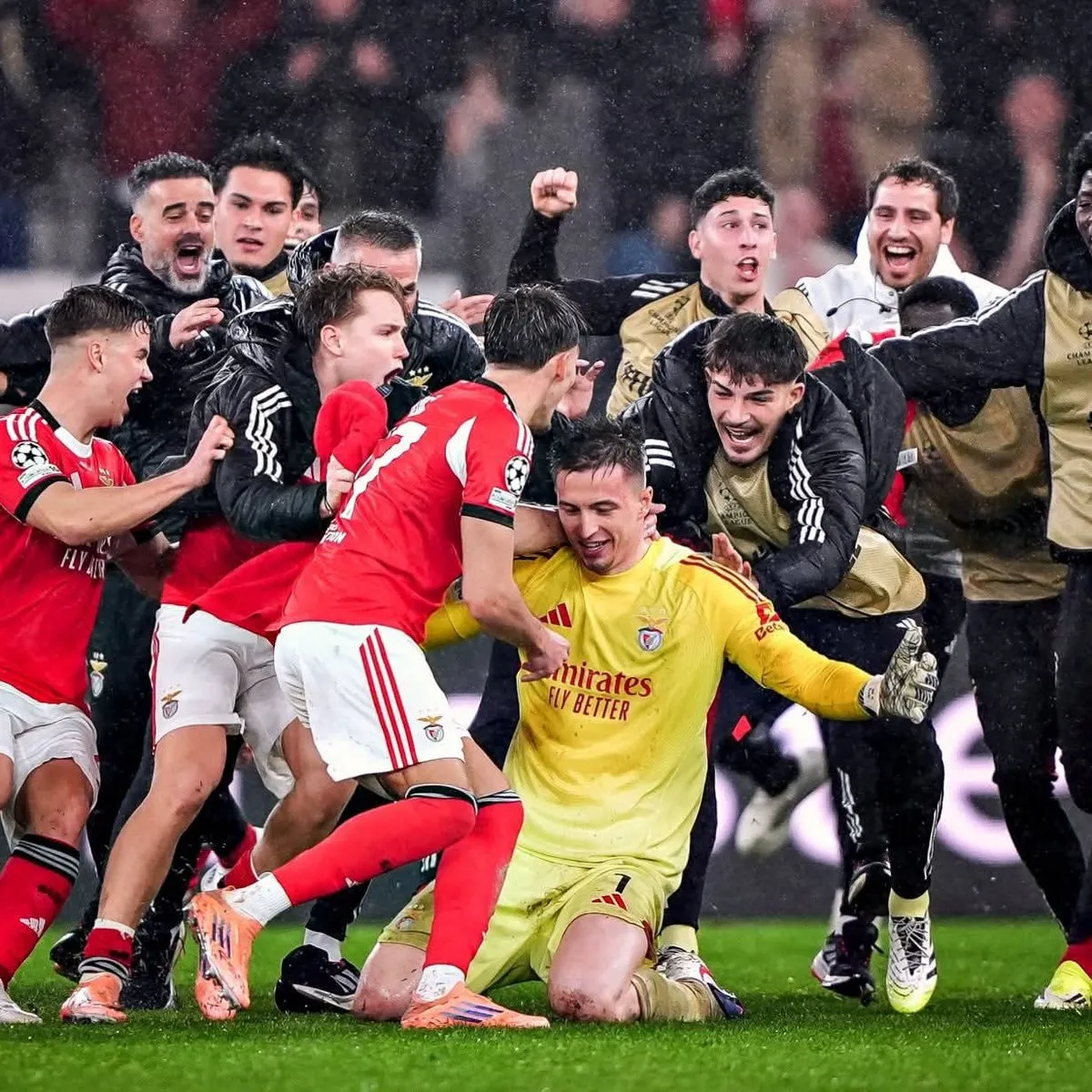
Champions League knockout drama begins the moment the iconic anthem echoes through the stadium and the group stage lights fade into the background. There is a palpable shift in the atmosphere when the competition moves into the round of sixteen. Every tackle carries more weight and every missed chance feels like a potential catastrophe for the giants of European football.
The knockout rounds represent the absolute peak of the beautiful game where history is written in ninety-minute increments. Fans across the globe tune in not just to see tactical excellence but to witness the human spirit pushed to its absolute limit. This stage of the tournament is where legends are forged and where the most expensive squads in the world can be humbled by a single moment of brilliance.
When we discuss the essence of the European Cup, we are really talking about those cold Tuesday and Wednesday nights in February and March. The stakes are impossibly high because there is no safety net left to catch those who stumble. This intensity creates a unique brand of theater that other sports struggle to replicate consistently on such a grand scale.
The evolution of the tournament has only served to heighten the sense of unpredictability that defines these matches. Even with the financial gap between the elite clubs and the rest of Europe widening, the knockout format remains the great equalizer. On any given night, a tactical masterclass or a moment of individual magic can overturn the most lopsided of odds.
Historical perspective allows us to see how the Champions League knockout drama has shaped the modern identity of clubs like Real Madrid, Liverpool, and AC Milan. For these institutions, the competition is more than a trophy; it is a fundamental part of their DNA. They thrive in the chaos of a two-legged tie where momentum can swing like a pendulum in the blink of an eye.
Consider the psychological burden placed on players during these high-pressure encounters. It is one thing to perform in a domestic league where a loss can be rectified the following weekend. It is an entirely different challenge to maintain composure when a single defensive lapse could mean the end of a year-long ambition for continental glory.
The tactical battle between managers adds another layer of intrigue to the spectacle. We often see coaches abandon their usual philosophies in favor of pragmatic survival or high-risk aggression. This chess match played out on the green grass of Europe’s finest arenas provides a masterclass for anyone interested in the nuances of elite sports coaching.
The Psychological Weight of the Champions League Knockout Drama
The mental fortitude required to navigate these rounds is often what separates the champions from the also-rans. When a team finds itself two goals down away from home, the internal belief of the squad is tested more than their physical fitness. This is where leaders emerge to steady the ship and inspire their teammates to find a way back into the contest.
We have seen time and again that the scoreline rarely tells the full story of a knockout tie. A team might be dominated for eighty minutes only to score a crucial goal that changes the entire complexion of the return leg. This lingering hope is what keeps supporters on the edge of their seats until the final whistle of the second match.
The removal of the away goals rule in recent years has subtly altered the landscape of the Champions League knockout drama in fascinating ways. Previously, teams would often play conservatively at home to avoid conceding a goal that counted double in a tie-break. Now, we see a more liberated approach to attacking football in the first leg of these encounters.
Without the safety net of the away goal, matches often remain competitive for much longer. Teams are forced to go out and win the game on merit rather than relying on mathematical advantages. This shift has resulted in more high-scoring affairs and a renewed focus on offensive transition and clinical finishing.
The pressure of the knockout stage also extends to the officiating and the use of technology. Every VAR decision is scrutinized by millions, adding to the tension that permeates the stadium. A millimeter offside call or a controversial penalty can become the focal point of global football conversation for weeks after the event.
Fans play a massive role in creating the cauldron-like environment that fuels these dramatic nights. The “Anfield Effect” or the intimidating atmosphere of the Westfalenstadion are real factors that players must contend with. The roar of a home crowd can provide a tired team with the adrenaline surge needed to find a late winning goal.
Iconic Comebacks and Champions League Knockout Drama
No discussion of this topic would be complete without mentioning the “Miracle of Istanbul” in 2005. Liverpool trailing three-nil at halftime against an all-star AC Milan side seemed like a definitive conclusion. Yet, the subsequent six minutes of madness in the second half remains the gold standard for dramatic turnarounds in sports history.
That night in Turkey demonstrated that the Champions League knockout drama is never truly over until the referee blows the final whistle. It taught a generation of football fans that belief is a tangible force in elite competition. The tactical shift by Rafa Benitez and the inspirational performance of Steven Gerrard became the stuff of legend.
More recently, we witnessed the incredible “Remontada” when Barcelona overturned a four-goal deficit against Paris Saint-Germain. That night at the Camp Nou defied every logic of probability. It showed that even the best-organized teams can crumble when faced with an unrelenting wave of pressure and a crowd that refuses to accept defeat.
These moments are not just about goals; they are about the breaking of a team’s collective will. When Sergi Roberto scored that final goal in the dying seconds, it wasn’t just a victory for Barcelona; it was a testament to the sheer insanity that this competition can produce. It remains one of the most viewed sporting moments in digital history for a reason.
Tottenham Hotspur’s journey to the final in 2019 provided another series of heart-stopping moments. Lucas Moura’s second-half hat-trick against Ajax in Amsterdam was a display of pure individual determination. Ajax had played the better football over two legs, but the knockout format rewards those who can seize the moment of peak chaos.
The heartbreak experienced by the losing side is just as much a part of the drama as the celebrations of the winners. Seeing young Ajax players collapsed on the turf after coming so close to a historic final was a reminder of the cruel nature of high-stakes football. For every hero, there is a tragic figure left wondering what might have been.
Real Madrid’s run to their fourteenth title was perhaps the most sustained period of Champions League knockout drama ever recorded. They were essentially dead and buried in matches against Paris Saint-Germain, Chelsea, and Manchester City. Each time, they found a way to summon the “Bernabéu Magic” and progress against all tactical and statistical logic.
The late goals by Rodrygo against Manchester City in the semi-final were particularly mind-bending. City had been the superior side for nearly 180 minutes, yet two goals in the space of ninety seconds changed everything. It was a stark reminder that in this competition, the weight of history and the aura of a club can sometimes override current form.
Expert analysts often point to the density of talent as the reason for such high-level drama. Unlike domestic leagues where the talent is spread across twenty teams, the knockout stages consolidate the world’s best players into a handful of matches. This concentration of quality ensures that every mistake is punished with lethal efficiency.
The financial rewards for progressing in the tournament also add a layer of corporate tension behind the scenes. For many clubs, reaching the quarter-finals or semi-finals is a financial necessity to maintain their standing in the global hierarchy. This pressure trickles down from the boardroom to the dugout, affecting every decision made by the coaching staff.
The physical toll of these matches cannot be overstated. Players often cover more distance and perform more high-intensity sprints in a Champions League knockout game than in a standard league match. The combination of physical exhaustion and mental fatigue is where the drama often finds its roots in the closing stages of a game.
Substitute players frequently become the unexpected protagonists in these stories. A fresh pair of legs or a different tactical profile introduced in the 70th minute can exploit a tiring defense. We have seen countless examples of “super-subs” coming on to score the winning goal and etch their names into the history books.
The role of the goalkeeper in the knockout stages is also unique. One spectacular save can be just as valuable as a hat-trick at the other end. Conversely, a high-profile error under the bright lights of a European night can define a goalkeeper’s career for years to come, illustrating the unforgiving nature of the position.
Tactical trends continue to evolve, with high-pressing and quick transitions becoming the dominant themes of recent years. However, the knockout stages often see a return to old-school defensive resilience. Sometimes, the most dramatic performance is a team “parking the bus” and defending their goal with heroic desperation against a superior attacking force.
The global reach of the tournament means that these dramatic moments are shared by billions of people in real-time. Social media amplifies every goal, every tackle, and every controversial moment, creating a global conversation that lasts for days. This collective experience is a major reason why the competition remains the pinnacle of the sporting calendar.
We must also acknowledge the importance of the draw itself. The anticipation leading up to the selection of the fixtures creates its own narrative. Seeing two giants of the game drawn together in the round of sixteen creates an immediate sense of an “early final,” setting the stage for months of build-up and speculation.
The journey of the underdog is a recurring theme that adds variety to the drama. Whether it was Porto in 2004 or Villarreal in more recent seasons, there is something inherently captivating about a smaller club disrupting the established order. These runs remind us that while money can buy talent, it cannot buy the spirit required to survive a knockout tie.
The tactical preparation for a two-legged tie is a unique challenge for any coaching staff. They must plan for 180 minutes of football, knowing that their strategy may need to change completely halfway through. The ability to make in-game adjustments is often what separates the elite managers from the rest of the field.
As the tournament moves toward its conclusion each year, the intensity only increases. The quarter-finals and semi-finals often produce the best football because the teams are so evenly matched. By this stage, every player left in the competition knows they are only a few games away from immortality.
The final itself is the ultimate act of this drama, but many purists argue that the two-legged semi-finals are actually more exciting. The home-and-away format allows for tactical shifts and momentum swings that a single-game final sometimes lacks. The drama of a second leg, with the clock ticking down and a team needing a goal, is unmatched in world sport.
The 2023/24 season and beyond promise to bring even more changes to how we consume this spectacle. However, regardless of the format or the teams involved, the core ingredients of the knockout drama will remain the same. It is the unpredictability, the technical brilliance, and the raw emotion that keeps us coming back year after year.
The history of the competition is a tapestry of these moments, woven together by the efforts of the greatest athletes to ever play the game. Every new season adds another chapter to this ongoing story, providing new heroes and new heartbreaks for fans to discuss. The enduring appeal of the tournament lies in its ability to surprise us when we think we have seen it all.
Looking forward, the technological advancements in broadcasting will allow fans to feel closer to the action than ever before. Yet, no amount of technology can replace the feeling of a last-minute winner in a packed stadium. That visceral connection between the players on the pitch and the fans in the stands is what fuels the fire of European football.
The Champions League knockout drama is a celebration of everything that makes football the most popular sport on the planet. it is a reminder that in the heat of competition, anything is possible. It is a stage where dreams are realized and where the impossible becomes reality in the space of a few frantic minutes.
As we prepare for the next round of matches, the anticipation begins to build once again. We look at the fixtures and try to predict where the next great story will come from. Will it be a dominant performance by a favorite, or will we see another miraculous comeback that defies all expectations?
The beauty of the knockout rounds is that we simply do not know. We watch because we want to be surprised, and because we know that we are witnessing the highest level of human performance. The drama is not just in the goals, but in the effort, the strategy, and the shared experience of millions around the world.
The tournament continues to serve as the ultimate benchmark for success in club football. To win the Champions League, a team must navigate a minefield of pressure, talent, and tactical challenges. Those who lift the trophy at the end of the season have earned their place in history by surviving the most intense competition in the world.
The stories of the past serve as a guide for the teams of the future. Managers study previous knockout ties to understand how to manage the tempo of a game and how to react when things go wrong. Players look to the icons of the game for inspiration on how to perform when the eyes of the world are upon them.
Every year, the Champions League knockout drama delivers on its promise to provide world-class entertainment. It is a masterclass in storytelling, where the plot is written in real-time by twenty-two players and a ball. It remains the one sporting event that can stop the world and command the attention of every football fan, regardless of their local loyalties.
The legacy of these matches stays with us long after the trophy has been hoisted. We remember the goals, the saves, and the celebrations, but we also remember the feeling of being part of something special. The drama of the Champions League is a shared cultural heritage for football lovers everywhere, and it shows no signs of losing its magic.
Read also :-
indonesia national football team standings
bangladesh national football team standings
argentina national football team vs ecuador national football team lineups
argentina national football team vs colombia national football team timeline
ecuador national football team vs brazil national football team standings