

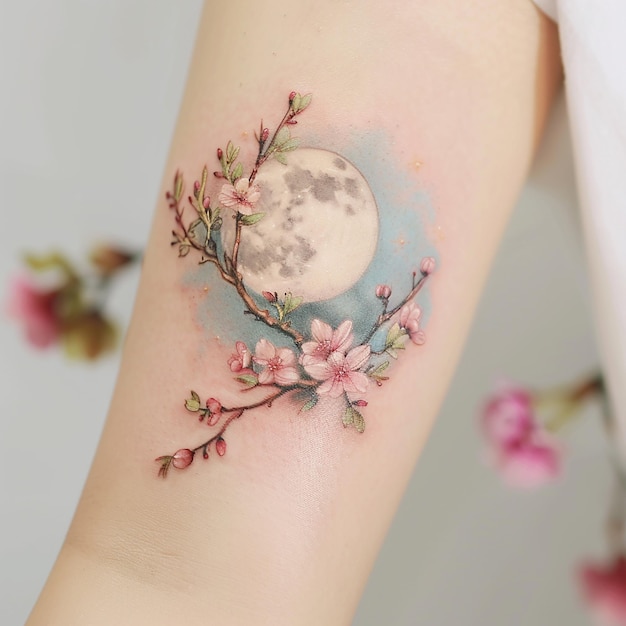
Watercolor tattoo designs have changed the way people perceive body art by turning skin into a canvas that feels alive, fluid, and emotionally charged. Unlike traditional tattoos defined by bold outlines and strict structure, this style mirrors the softness and unpredictability of watercolor paintings.
Many people encounter watercolor tattoos for the first time through a deeply personal story. A flower fading into color splashes, a bird dissolving into ink, or a symbol surrounded by flowing hues often reflects moments of transformation, healing, or freedom.
The Artistic Roots of Watercolor Tattoos
Watercolor tattoos draw inspiration from fine art techniques that rely on movement, transparency, and color blending. Artists adapt traditional painting methods into tattoo form, requiring a deep understanding of both art theory and skin behavior.
This fusion of disciplines establishes authority and expertise. Tattooists specializing in watercolor work often come from artistic backgrounds, which allows them to translate brushstroke aesthetics into long-lasting body art.
Why Watercolor Tattoos Feel So Personal
One reason watercolor tattoos resonate emotionally is their organic nature. No two watercolor tattoos look exactly the same, even when inspired by similar ideas. This uniqueness creates a strong sense of ownership for the wearer.
People often choose this style to represent emotions that are hard to define with rigid lines. Joy, grief, freedom, and growth are expressed more naturally through flowing colors rather than structured forms.
Watercolor Tattoo Designs and Modern Self-Expression
In an age where individuality matters more than conformity, watercolor tattoos offer freedom. They allow wearers to step away from conventional tattoo aesthetics and embrace art that feels intuitive and expressive.
Watercolor tattoo designs appeal strongly to creative professionals, artists, and individuals who view tattoos as wearable art rather than decoration. This mindset has helped the style gain long-term credibility rather than being a passing trend.
The Skill and Expertise Behind Watercolor Tattoos
Despite their soft appearance, watercolor tattoos are among the most technically demanding styles. Artists must control pigment saturation, layering, and fade patterns without relying on heavy outlines.
Experienced professionals understand how colors heal and age on different skin types. This knowledge builds trust and ensures that the tattoo remains visually appealing years after it is completed.
Common Themes Found in Watercolor Tattoos
Many watercolor tattoos feature nature-inspired elements such as flowers, animals, and abstract landscapes. These themes pair naturally with fluid color transitions and organic shapes.
Symbolic imagery is also popular. A simple icon surrounded by watercolor splashes often represents emotional depth beneath a calm exterior, creating balance between meaning and aesthetics.
Placement Choices for Watercolor Tattoos
Placement significantly influences how watercolor tattoos are perceived. Larger areas like the shoulder, thigh, or forearm allow colors to flow naturally without restriction.
Artists guide clients toward placements that support longevity and visual harmony. Their professional insight ensures the tattoo ages gracefully, reinforcing confidence in the final result.
Longevity and Aging of Watercolor Tattoos
A common concern with watercolor tattoos is fading. While lighter pigments can fade faster, skilled artists plan designs with strategic color layering and contrast.
Trustworthy studios educate clients about aftercare and sun protection, which plays a major role in maintaining vibrancy. This transparency strengthens credibility and long-term satisfaction.
Watercolor Tattoo Designs for First-Time Wearers
First-time tattoo clients are often drawn to watercolor styles because they appear softer and less intimidating. The absence of harsh outlines makes the tattoo feel more approachable.
Many people describe their first watercolor tattoo as an emotional experience rather than a bold statement. This gentle introduction to body art often builds lasting trust with tattoo culture.
Cultural Influence on Watercolor Tattoo Art
Watercolor tattoos are influenced by global art movements, from Japanese ink wash painting to European abstract art. Artists often blend cultural elements into modern interpretations.
This cultural awareness adds depth and authenticity. When artists respect symbolism and context, it enhances the tattoo’s meaning and reinforces ethical artistic practice.
Watercolor Tattoos in Professional and Social Life
Another reason watercolor tattoos have gained popularity is their adaptability. They can be bold yet subtle, expressive yet elegant.
Many professionals choose watercolor tattoos because they blend seamlessly into different environments. This versatility reflects how Watercolor tattoo designs align with modern lifestyles that value balance and self-expression.
Trust, Hygiene, and Ethical Tattooing
Reputable watercolor tattoo artists prioritize hygiene, high-quality inks, and ethical consultation. Because watercolor tattoos rely heavily on color quality, professional materials are essential.
Clients feel reassured when artists explain their process clearly. This transparency reflects EEAT principles and builds long-term trust between artist and wearer.
Emotional Stories Behind Watercolor Tattoos
Behind many watercolor tattoos lies a deeply personal story. Some mark recovery from illness, others symbolize love, loss, or new beginnings.
The fluid nature of watercolor art allows these stories to unfold visually, making the tattoo feel like a living memory rather than a static image.
Social Media and the Rise of Watercolor Tattoos
Social platforms have played a key role in popularizing watercolor tattoos. Their vibrant colors and painterly effects photograph beautifully, capturing attention instantly.
However, credible artists remind clients that real-world quality matters more than online aesthetics. This honest approach reinforces authority and realistic expectations.
Watercolor Tattoo Designs as Wearable Art
More people now view tattoos as part of their personal art collection. Watercolor tattoos, in particular, blur the line between fine art and body art.
This perception elevates the tattoo experience. It becomes less about trends and more about personal storytelling through color, movement, and emotion.
The Future of Watercolor Tattoo Art
As tattoo techniques continue to evolve, watercolor styles are becoming more refined and durable. Artists experiment with new pigments and hybrid techniques while preserving artistic integrity.
The future of Watercolor tattoo designs lies in innovation guided by expertise, creativity supported by trust, and artistry rooted in genuine human expression.
Read also:
3069558200
maa tattoo new style english
18664254286
4509540970