

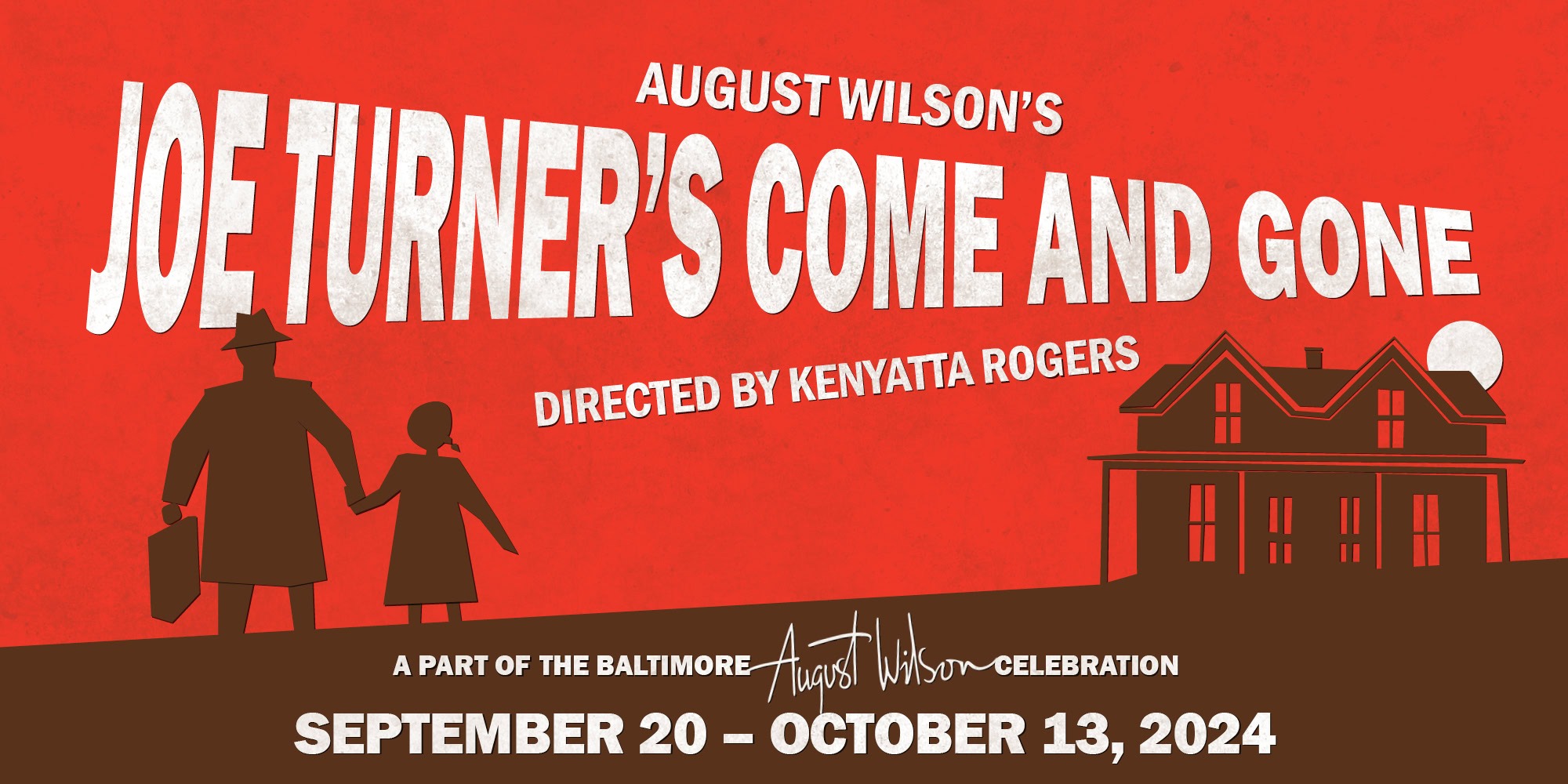
The name August Wilson is synonymous with rich, evocative depictions of African American life in the 20th century. Among his celebrated Pittsburgh Cycle plays, “Joe Turner’s Come and Gone August Wilson” stands out for its emotional depth, cultural symbolism, and powerful commentary on freedom and identity. This iconic play, set in a 1911 boardinghouse in Pittsburgh, continues to resonate with audiences today due to its timeless themes and compelling characters.
What is Joe Turner’s Come and Gone About?
Written in 1984 and first staged in 1986, Joe Turner’s Come and Gone August Wilson is the second play in Wilson’s ten-part cycle that chronicles the African American experience across each decade of the 20th century. This particular story is set in 1911, a critical time just a few decades after the abolition of slavery, and focuses on Black Americans searching for identity, purpose, and connection in the aftermath of systemic trauma.
The plot revolves around Herald Loomis, a mysterious and emotionally broken man who arrives at a Pittsburgh boardinghouse run by Seth and Bertha Holly. Accompanied by his young daughter, Loomis is on a desperate quest to find his wife. As other characters at the boardinghouse come and go, each bearing their own burdens and dreams, the play slowly reveals Loomis’s backstory: he was illegally enslaved by Joe Turner, a powerful Southern figure who captured Black men and forced them to work for seven years.
Historical Context: Who Was Joe Turner?
To understand the gravity of Joe Turner’s Come and Gone August Wilson, it’s important to know who Joe Turner was. The character is loosely based on a real historical figure—Joe Turney, the brother of Tennessee Governor Pete Turney. He notoriously arrested Black men on false charges to force them into unpaid labor on chain gangs, essentially extending slavery into the post-Civil War era.
August Wilson uses Joe Turner not just as a character reference, but as a metaphor for all the systemic forces that continued to imprison Black people, even after the Emancipation Proclamation. The title itself—Joe Turner’s Come and Gone—suggests both the lingering trauma and the potential for healing once those forces are confronted and expelled.
Key Characters and Their Symbolism
The beauty of Joe Turner’s Come and Gone August Wilson lies in its richly drawn characters, each representing different aspects of the African American struggle and spirit.
1. Herald Loomis
Loomis is the play’s emotional core. Haunted by his past, his journey is one of self-discovery. He is a symbol of the African American who has been stripped of identity by oppression and is desperately seeking to reconnect with his roots.
2. Bynum Walker
An old rootworker (a kind of spiritual healer), Bynum represents African spirituality and ancestral wisdom. His belief in the “shiny man” symbolizes spiritual enlightenment and the importance of finding one’s identity through tradition and inner truth.
3. Seth and Bertha Holly
Owners of the boardinghouse, Seth and Bertha embody stability and practicality. While Seth is skeptical and resistant to change, Bertha brings warmth and understanding to the household. Together, they represent the foundation of community.
4. Martha Loomis
Though largely absent until late in the play, Martha represents personal transformation and the difficult choices Black women often faced during this era.
Themes Explored in the Play
Joe Turner’s Come and Gone August Wilson is filled with themes that speak not only to African American history but to universal questions of identity and belonging.
1. Search for Identity
Much of the play centers around the question: Who am I? Loomis’s journey is symbolic of an entire people searching for cultural and spiritual identity after centuries of oppression.
2. Legacy of Slavery
Though slavery is no longer legally sanctioned in 1911, the scars remain. Wilson makes it clear that the trauma does not end with a law; it lingers in the soul and must be addressed spiritually and emotionally.
3. Spirituality and Ancestral Roots
Through characters like Bynum and various African spiritual references, Wilson encourages reconnecting with African heritage as a means of healing and empowerment.
4. Community and Healing
The boardinghouse becomes a microcosm of a post-slavery Black community—diverse in background, sometimes conflicted, but ultimately unified in a collective journey toward healing.
Language, Music, and Storytelling
Wilson’s signature style is deeply embedded in Joe Turner’s Come and Gone August Wilson. He uses rich, poetic language and incorporates blues rhythms into the dialogue. Music and storytelling are not just artistic choices—they are cultural tools of survival and expression. Through these elements, Wilson evokes the oral traditions that have long been part of African and African American history.
Critical Reception and Legacy
Since its premiere, Joe Turner’s Come and Gone August Wilson has received widespread acclaim. It was a finalist for the Pulitzer Prize and is frequently studied in literature and theater courses. It continues to be revived on major stages, including a celebrated Broadway revival in 2009 directed by Bartlett Sher.
Critics praise its layered narrative, vivid characters, and emotional resonance. For many, it is one of Wilson’s most spiritual and poetic works.
Why Joe Turner’s Come and Gone Still Matters
Today, the themes in Joe Turner’s Come and Gone August Wilson remain incredibly relevant. As conversations around race, history, and identity continue to evolve, the play serves as a powerful reminder of the need to reckon with the past in order to heal the future.
Whether you are a student, theater lover, or someone new to Wilson’s work, this play is a profound entry point into understanding the African American experience through a deeply human lens.
FAQs – Joe Turner’s Come and Gone by August Wilson
1. What is the significance of the title “Joe Turner’s Come and Gone”?
The title refers to Joe Turner, a symbol of oppression, whose influence still haunts the characters. “Come and gone” suggests that while the person may be gone, the trauma remains.
2. Is Joe Turner a real person?
Joe Turner is based on a historical figure known for illegally capturing Black men into forced labor. August Wilson uses him symbolically to represent ongoing racial injustice after slavery.
3. What role does spirituality play in the story?
Spirituality is central to the play. Characters like Bynum use African-rooted spiritual practices to help others find their identity and heal from generational trauma.
Read More :-