

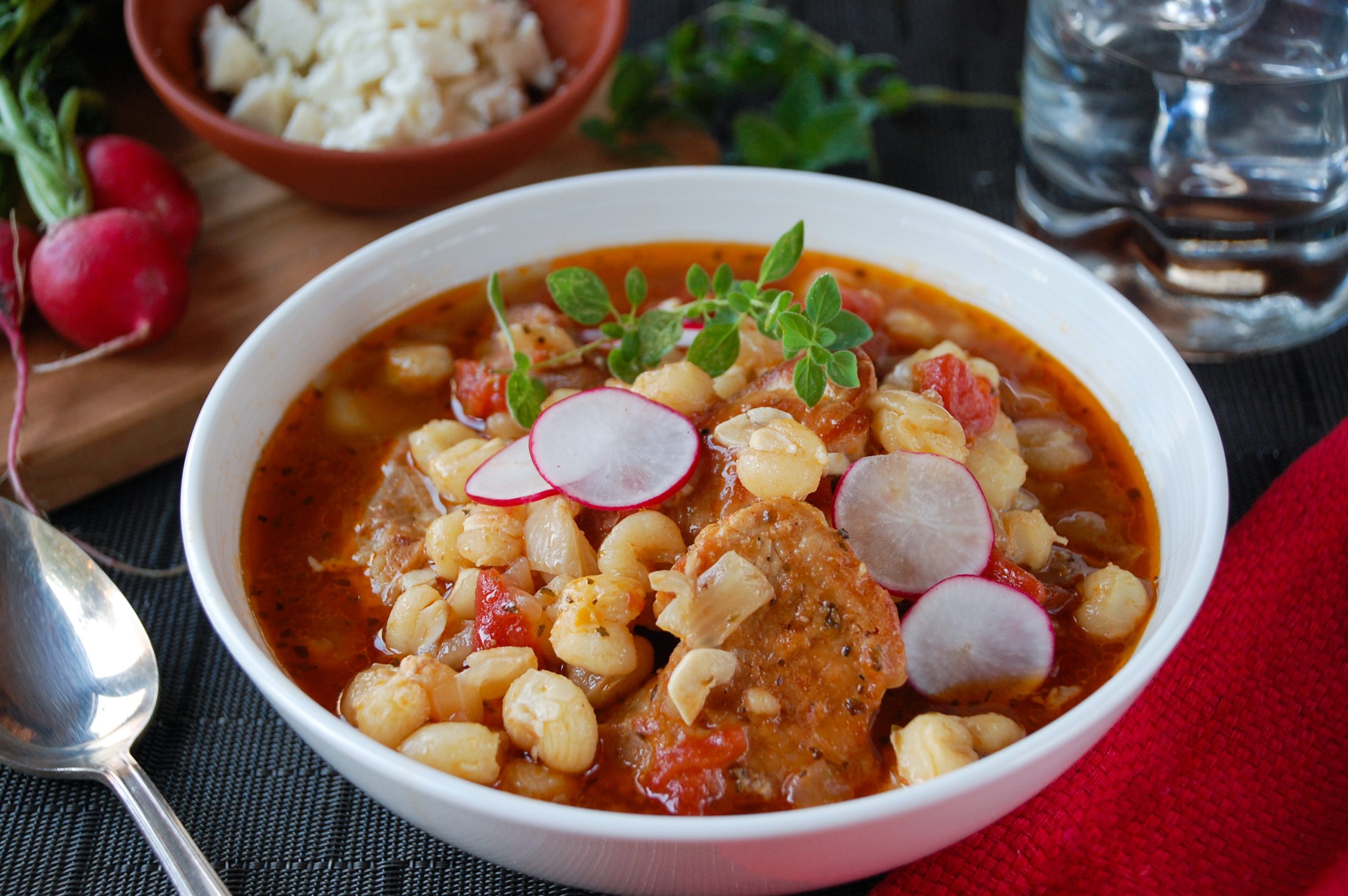
If you’re a fan of hearty soups and stews, you’ve probably encountered pozole—a beloved Mexican dish known for its rich flavors and comforting ingredients. It’s a dish that brings warmth, nourishment, and tradition, often enjoyed during special occasions like holidays, celebrations, and gatherings. But with its mix of meats, corn, and various toppings, you might be wondering: Is pozole a healthy dish? Let’s dive into the ingredients, health benefits, and potential concerns surrounding this classic dish to find out if pozole can be a nutritious addition to your diet.
What is Pozole?
Before we explore its health aspects, it’s helpful to understand what pozole is. Pozole is a traditional Mexican soup or stew made from hominy (dried corn kernels that have been treated with an alkali) and a choice of meat—typically pork, chicken, or beef. The dish is often seasoned with chiles, garlic, onions, and various spices, giving it a rich and flavorful base. In addition to the main ingredients, pozole is often served with an array of toppings, such as shredded lettuce, radishes, lime wedges, cilantro, and chili powder.
There are different types of pozole depending on the region and the preparation, including red, green, and white varieties. The red version gets its color from dried red chiles, while the green version incorporates tomatillos and green chiles for a fresher, tangier taste.
The Ingredients of Pozole: A Nutritional Breakdown
The healthfulness of pozole largely depends on the ingredients used. Let’s break down the key components of the dish to understand their nutritional value.
1. Hominy (Dried Corn Kernels)
The base of pozole is hominy, which is made from corn kernels treated with an alkali solution, usually lime, to remove the hull. Hominy is a good source of carbohydrates and provides fiber, though it is lower in protein compared to other grains. The process of nixtamalization (the alkali treatment) also makes the corn easier to digest and increases the bioavailability of certain nutrients like niacin (vitamin B3).
Nutritionally, hominy is relatively low in calories and contains small amounts of vitamins and minerals, including calcium, potassium, and iron. However, it’s mostly composed of carbohydrates, making it a good source of energy.
2. Meat Choices (Pork, Chicken, Beef)
The meat added to pozole can greatly impact its nutritional profile. Traditionally, pozole is made with pork, but chicken and beef are also common variations. Let’s take a look at the nutritional differences of each:
-
Pork: Pork is a good source of high-quality protein and essential vitamins like B12 and thiamine. It also contains zinc, iron, and selenium. However, pork can be high in fat, particularly saturated fat, which is a consideration for those watching their cholesterol levels.
-
Chicken: Chicken, especially lean cuts like skinless chicken breast, is a lower-fat alternative to pork. It’s also an excellent source of protein, niacin, and vitamin B6, which support metabolism and immune health.
-
Beef: Beef is another high-protein option, packed with essential nutrients like iron, zinc, and B vitamins. Like pork, it can be high in saturated fat, so it’s important to choose lean cuts when making pozole with beef.
3. Broth and Seasonings
The broth in pozole is typically made with water or chicken stock, and it’s flavored with garlic, onions, dried chiles (such as ancho or guajillo), and various spices. These seasonings not only add flavor but also offer a variety of health benefits:
-
Garlic: Known for its immune-boosting properties, garlic is rich in antioxidants and can help reduce inflammation.
-
Onions: Onions provide vitamins like C and B6, along with antioxidants that can support heart health and reduce inflammation.
-
Chiles: Chiles are packed with vitamin C, and their capsaicin content (the compound that gives chiles their heat) has been linked to improved metabolism, reduced appetite, and potential fat-burning benefits.
4. Toppings
Toppings can add an extra layer of flavor and nutrition to pozole. Common toppings include:
-
Shredded lettuce or cabbage: These vegetables add fiber, vitamins A and C, and are low in calories.
-
Radishes: Radishes provide a crunchy texture and are low in calories while offering a good source of fiber and vitamin C.
-
Lime wedges: Lime adds a tangy, refreshing flavor and a dose of vitamin C, which supports the immune system.
-
Cilantro: Cilantro provides antioxidants and is believed to have detoxifying properties.
-
Chili powder: Often used to add extra heat and flavor, chili powder is packed with antioxidants.
Health Benefits of Pozole
So, now that we know what’s inside pozole, let’s examine the health benefits it offers.
1. Good Source of Protein
The meat in pozole provides a substantial amount of protein, which is essential for building and repairing tissues, making enzymes and hormones, and supporting overall growth and health. If you opt for lean meats like chicken, you can get a high-quality source of protein without the extra fat.
2. Rich in Fiber
Hominy, the corn base of pozole, provides a decent amount of fiber. Fiber is important for digestive health as it helps regulate bowel movements, lowers cholesterol levels, and keeps you feeling full longer. The vegetables and toppings like lettuce, radishes, and cilantro also add fiber to the dish.
3. Packed with Essential Nutrients
Pozole contains a range of vitamins and minerals that support overall health. The meat provides essential nutrients like iron (important for red blood cell production), zinc (important for immune function), and B vitamins (important for energy metabolism). The vegetables and spices in pozole also offer a variety of antioxidants and vitamins, including vitamin C, which supports the immune system and helps the body absorb iron.
4. Supports Immune Health
The combination of garlic, onions, chiles, and cilantro in pozole provides immune-boosting compounds. Garlic, in particular, has been shown to have antibacterial, antiviral, and antifungal properties, making it great for fighting off infections. The vitamin C in the vegetables and lime also contributes to immune support by enhancing the production of white blood cells.
Potential Health Concerns with Pozole
While pozole can be a nutritious dish, there are a few things to consider to ensure it remains a healthy option.
1. High Sodium Content
One of the main concerns with pozole is its sodium content. The broth, especially if it’s made with store-bought stock, can be high in sodium. Consuming too much sodium can lead to high blood pressure and increase the risk of heart disease. To make pozole healthier, consider using low-sodium broth or making your own stock at home. You can also reduce the amount of added salt during cooking.
2. Fat Content
Depending on the type of meat you choose for your pozole, it can be quite high in fat. Pork, for instance, can have a higher fat content than chicken. To reduce the fat content of your pozole, opt for lean cuts of meat, remove the skin from chicken, or use a leaner protein like turkey.
How to Make a Healthier Pozole
To make pozole a healthier option, consider these modifications:
-
Use lean meats like chicken breast or turkey to lower the fat content.
-
Choose low-sodium broth or homemade stock to reduce sodium.
-
Increase the amount of vegetables in the dish by adding more radishes, cabbage, or other greens.
-
Limit the amount of salt and use herbs and spices for seasoning instead.
-
Skip or limit high-calorie toppings like sour cream or cheese to keep it lighter.
Conclusion: Is Pozole a Healthy Dish?
Overall, pozole can be a healthy dish when prepared with nutritious ingredients and mindful of potential concerns like sodium and fat content. It provides a solid amount of protein, fiber, vitamins, and minerals, making it a nourishing and satisfying meal. By making a few tweaks to the traditional recipe, such as choosing lean meats and controlling the sodium, you can enjoy all the benefits of this flavorful, traditional Mexican dish without compromising your health goals.
So, next time you’re craving a comforting, hearty meal, you can feel good about enjoying a bowl of pozole—whether it’s for a special occasion or just a cozy weeknight dinner.
Know More: