

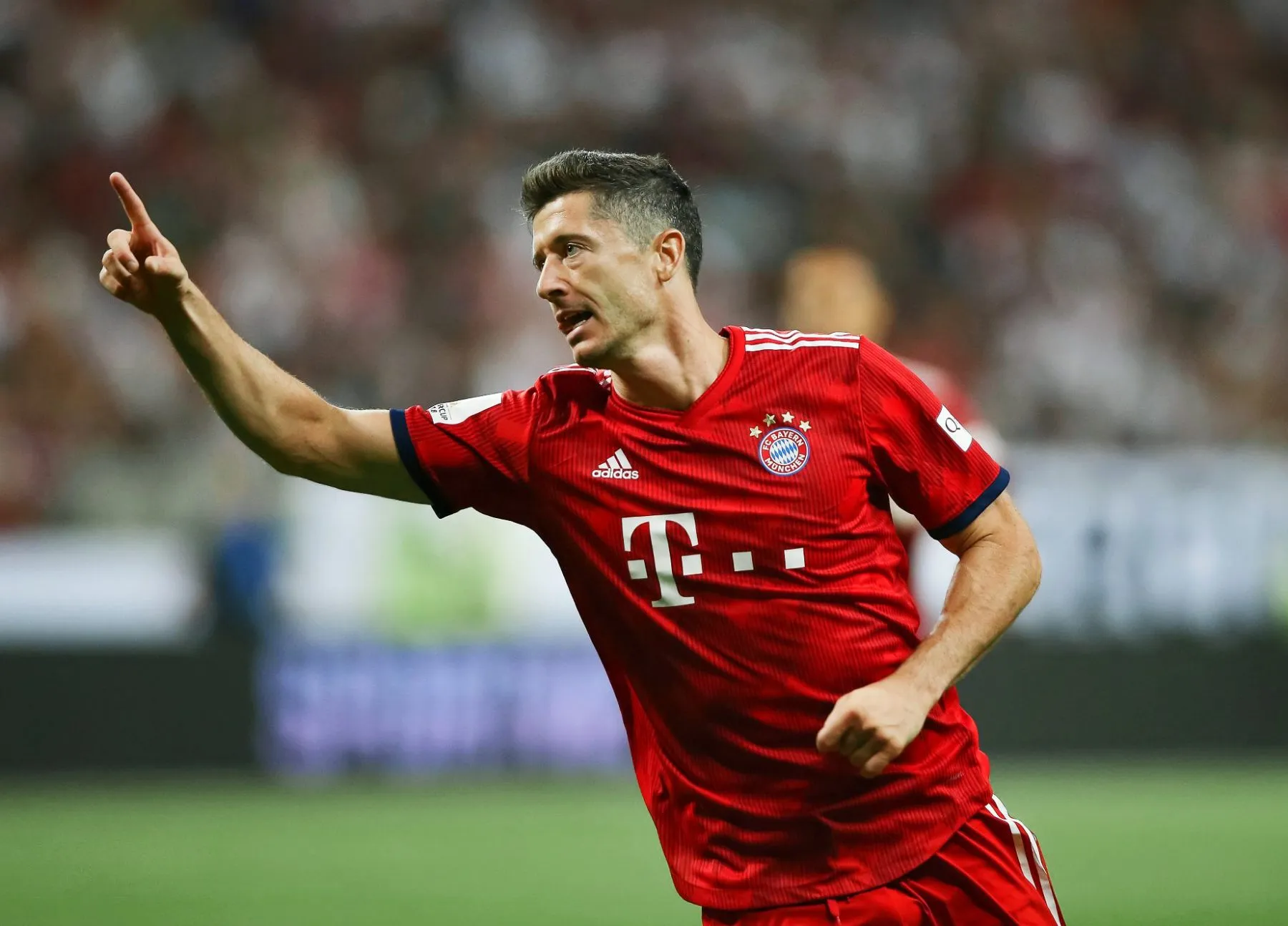
Robert Lewandowski is more than a prolific striker; he is a symbol of discipline, consistency, and elite professionalism in modern football. From modest beginnings in Poland to becoming one of the most feared goal scorers in football history, his journey is built on persistence rather than privilege.
His career stands as proof that greatness is not always immediate. It is shaped through years of refinement, setbacks, and an unwavering belief in self-improvement.
Early Life, Family Background, and First Struggles
Robert Lewandowski was born on August 21, 1988, in Warsaw, Poland. Sports were part of his household from the beginning. His father, Krzysztof Lewandowski, was a judo champion and footballer, while his mother, Iwona, was a professional volleyball player. Athletic discipline was not encouraged; it was embedded into daily life.
Despite this background, Robert’s early football years were far from glamorous. Playing for small Polish clubs, he lacked exposure and resources. Many coaches doubted whether he had the physical strength to succeed at the highest level. Those doubts became fuel rather than barriers.
Youth Football and the Road Nobody Watched
Lewandowski began his football journey with local clubs where training conditions were basic. Facilities were limited, pitches were uneven, and scouting attention was minimal. Unlike many elite footballers, he did not enter a famous academy at a young age.
During his teenage years, injuries slowed his progress, forcing him to rebuild physically and mentally. These moments taught him patience and resilience, qualities that later defined his professional approach.
Professional Debut and Career Turning Point
His professional breakthrough came with Znicz Pruszków, where his goal-scoring instincts began to attract attention. He quickly became one of the league’s top scorers, proving that his finishing ability was exceptional.
The move to Lech Poznań marked a significant step forward. Competing at a higher level forced Lewandowski to improve his movement, positioning, and decision-making. European competitions offered him exposure beyond Poland, changing the trajectory of his career.
Bundesliga Arrival and Growth at Borussia Dortmund
The transfer to Borussia Dortmund was a defining chapter. Initially seen as a risky signing, Lewandowski needed time to adapt to the pace and intensity of German football. His first season was steady rather than spectacular, but his work ethic never wavered.
Under Jürgen Klopp, his game transformed. He evolved from a raw striker into a complete forward, capable of pressing, linking play, and leading the line. His four-goal performance against Real Madrid in the Champions League remains one of the most iconic displays in tournament history.
Dominance, Discipline, and Mental Strength
What separates Lewandowski from many great strikers is consistency. Season after season, he delivered elite numbers without relying solely on physical attributes. His discipline in training, nutrition, and recovery became legendary within football circles.
He studied defenders, analyzed goalkeepers, and refined small details that gave him an edge. This obsessive attention to improvement allowed him to extend his peak years longer than most forwards.
Historic Era at Bayern Munich
Lewandowski’s move to Bayern Munich elevated him into global superstardom. Surrounded by world-class teammates, he reached unprecedented scoring levels. Records that had stood for decades were broken through relentless precision.
His five goals in nine minutes against Wolfsburg became a benchmark of finishing excellence. Each season reinforced his reputation as the most reliable striker in world football.
Robert Lewandowski and Individual Recognition
Despite team success, individual recognition often arrived slowly. Many felt he deserved the Ballon d’Or during his most dominant seasons. Although circumstances denied him certain awards, respect from players, coaches, and fans never wavered.
His professionalism and humility ensured that personal accolades never overshadowed team goals.
Important Information About Robert Lewandowski
| Category | Details |
|---|---|
| Full Name | Robert Lewandowski |
| Date of Birth | 21 August 1988 |
| Birthplace | Warsaw, Poland |
| Nationality | Polish |
| Position | Striker |
| Clubs Played For | Lech Poznań, Dortmund, Bayern Munich, Barcelona |
| National Team | Poland |
| Playing Style | Clinical, Intelligent, Complete Forward |
| Major Honors | League Titles, Champions League, Golden Boots |
Barcelona Chapter and Tactical Adaptation
Joining Barcelona introduced new challenges. A different league, language, and tactical philosophy required adaptation. Lewandowski adjusted by focusing more on link-up play and spatial intelligence.
His leadership helped stabilize the team during a period of transition. Even as systems changed, his impact in the penalty area remained decisive.
International Career and National Responsibility
Representing Poland was never easy. Often carrying the weight of expectation, Lewandowski became the focal point of the national team. Goals, leadership, and accountability defined his international career.
He led Poland through multiple major tournaments, inspiring younger generations despite limited resources compared to football powerhouses.
Social Life, Personal Relationships, and Character
Off the pitch, Lewandowski leads a balanced life. Married to Anna Lewandowska, a nutritionist and fitness expert, their partnership reflects shared discipline and values.
Family plays a central role in his life, helping him remain grounded amid global fame. His calm demeanor and respectful conduct earned admiration beyond football.
Business Ventures, Net Worth, and Financial Growth
Through football contracts, endorsements, and business investments, Lewandowski has built significant wealth. However, financial success never defined his identity.
He invested in health, performance, and education initiatives, aligning business decisions with long-term vision rather than short-term profit.
Influence on Modern Strikers and Football Culture
Young strikers study Lewandowski not for flair, but for efficiency and intelligence. His movement, timing, and finishing techniques are taught in coaching manuals worldwide.
He redefined what it means to be a modern number nine, combining traditional finishing with tactical awareness and teamwork.
Longevity, Adaptation, and Evolution
As physical speed declined slightly with age, Lewandowski compensated with positioning and anticipation. This evolution extended his effectiveness at the highest level.
His career illustrates that longevity in football is built through adaptability rather than raw talent alone.
Legacy of Robert Lewandowski
Robert Lewandowski will be remembered not only for goals, but for standards. His journey from overlooked youth player to global icon reflects discipline, patience, and relentless self-belief.
His story continues to inspire players who understand that success is built day by day, long before the world starts watching.
Read also:
argentina national football team vs brazil national football team lineups
australia national football team vs indonesia national football team timeline
mexico vs river plate
spain national football team vs france national football team lineups