

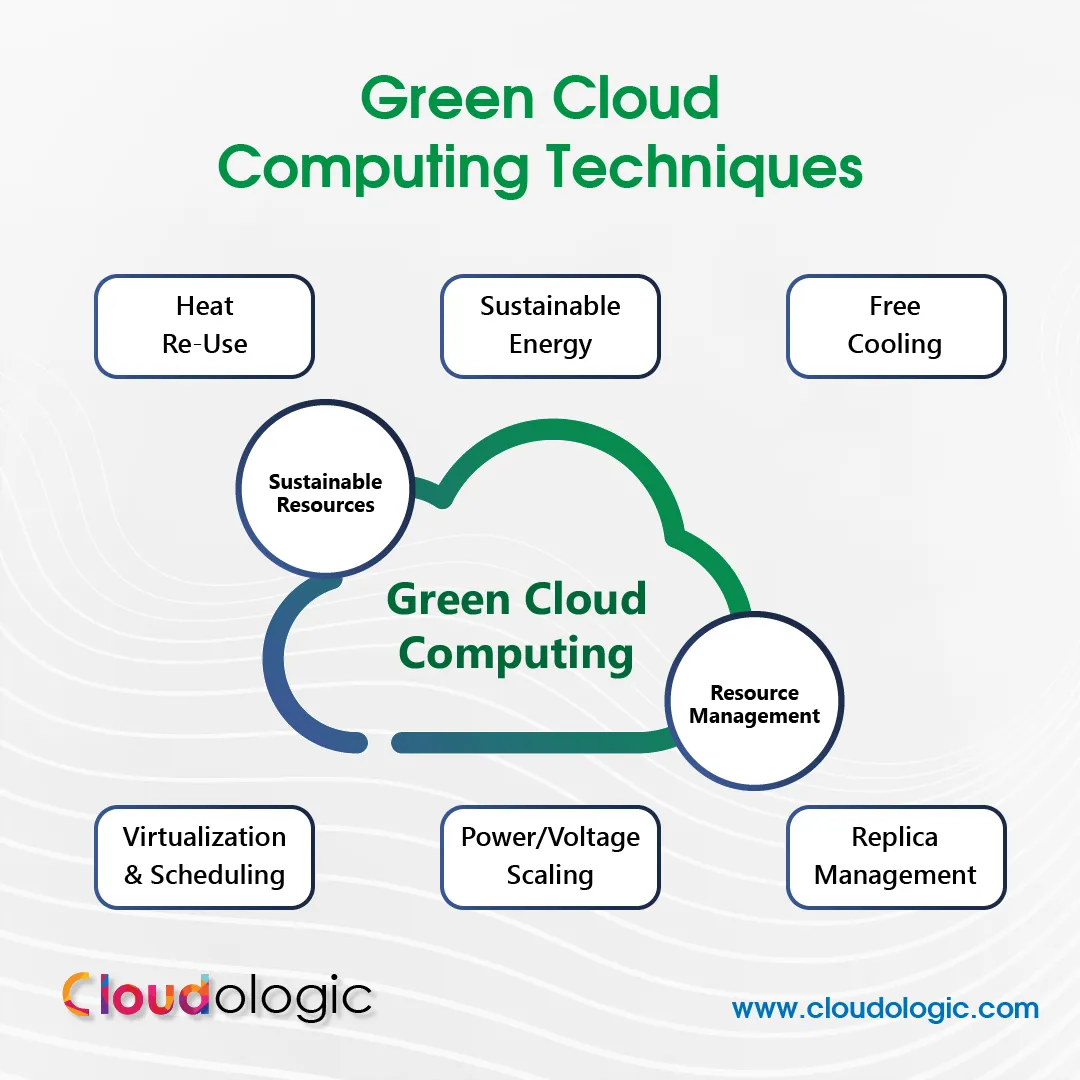
Green cloud computing solutions are no longer just a trend in IT—they are a strategic necessity for businesses that want to scale responsibly while reducing environmental impact. As companies continue shifting their infrastructure to the cloud, energy consumption, carbon emissions, and electronic waste have become pressing concerns.
A few years ago, I worked with a mid-sized e-commerce startup that migrated its on-premise servers to a cloud provider. Their goal was simple: reduce costs and improve performance. What surprised them was how dramatically their carbon footprint dropped after optimizing workloads and using renewable-powered data centers. That shift sparked a bigger conversation about sustainability in tech—and that’s where green cloud strategies truly shine.
Today, organizations of all sizes are asking an important question: Can we grow digitally without harming the planet? The answer lies in smart cloud architecture, responsible energy use, and forward-thinking innovation.
Understanding Green Cloud Computing Solutions in Simple Terms
At its core, green cloud computing solutions focus on reducing environmental impact while delivering high-performance cloud services. Traditional data centers consume enormous amounts of electricity, much of it generated from fossil fuels. Cooling systems, redundant hardware, and inefficient resource allocation contribute to this footprint.
Green cloud strategies change that equation. They rely on energy-efficient infrastructure, virtualization, dynamic resource allocation, and renewable energy integration. Instead of running idle servers 24/7, businesses scale resources automatically based on demand. This not only lowers costs but also reduces unnecessary power usage.
Leading providers such as Amazon Web Services, Microsoft Azure, and Google Cloud have invested heavily in renewable energy projects and energy-efficient data centers. Their initiatives demonstrate that sustainability and innovation can go hand in hand.
The motivation behind adopting green cloud computing solutions goes far beyond environmental responsibility. It’s also about operational resilience and long-term profitability.
Energy prices are rising globally. Data regulations are tightening. Customers are increasingly supporting brands that demonstrate sustainability. In this landscape, environmentally responsible cloud infrastructure becomes a competitive advantage rather than a cost burden.
A manufacturing company I consulted for reduced its annual IT energy costs by nearly 28% after migrating to a cloud provider powered largely by renewable energy. They also improved ESG reporting metrics, which strengthened investor confidence.
Sustainability is no longer just a CSR initiative; it’s embedded into business strategy. Organizations that ignore this shift risk falling behind both financially and reputationally.
The Technology Behind Green Cloud Computing Solutions
To truly understand green cloud computing solutions, it helps to look at the technical backbone that makes them effective.
Virtualization plays a major role. Instead of dedicating physical servers to individual applications, multiple workloads run on shared hardware. This maximizes utilization rates and reduces idle machines consuming electricity.
Artificial intelligence and machine learning also optimize cooling systems inside data centers. Smart algorithms predict usage spikes and adjust energy allocation dynamically. That means less waste and greater efficiency.
Modern data centers use advanced airflow design and liquid cooling to minimize electricity used for temperature control. Renewable energy sourcing further lowers emissions. Some providers even place facilities in colder regions to reduce cooling demands naturally.
These innovations prove that sustainability in cloud computing is driven by engineering excellence, not just marketing language.
Green Cloud Computing Solutions and Carbon Reduction
Carbon reduction is one of the most measurable benefits of green cloud computing solutions. Traditional on-premise servers often operate inefficiently, consuming power even during low usage.
Cloud providers, by contrast, achieve economies of scale. A single hyperscale data center can run more efficiently than hundreds of small corporate server rooms combined. Renewable-powered facilities reduce dependency on coal or gas-generated electricity.
Companies transitioning to greener cloud infrastructure often notice immediate improvements in carbon accounting reports. For businesses pursuing net-zero targets, cloud migration becomes a critical milestone.
The shift also aligns with international sustainability frameworks and regulatory expectations. Investors now assess environmental performance alongside financial results, making green IT infrastructure a strategic asset.
Real-World Impact of Green Cloud Computing Solutions
Consider the healthcare sector. Hospitals generate vast amounts of data from imaging systems, electronic health records, and patient monitoring devices. Storing and processing this information on inefficient infrastructure increases both operational costs and environmental strain.
By adopting green cloud computing solutions, healthcare providers can scale storage securely while reducing energy usage. One regional hospital network reported not only faster patient data retrieval but also a measurable drop in energy consumption after transitioning to a renewable-powered cloud environment.
Similarly, fintech companies leverage serverless computing models to ensure resources run only when needed. This event-driven architecture significantly reduces waste compared to always-on servers.
When businesses adopt sustainability-focused cloud models, the impact is both ecological and operational.
Security, Compliance, and EEAT in Sustainable Cloud Strategies
Expertise, Experience, Authoritativeness, and Trustworthiness are essential in the cloud computing space. Businesses need assurance that sustainability efforts do not compromise security or compliance.
Leading cloud providers adhere to international certifications and data protection standards. Encryption, multi-factor authentication, and automated compliance monitoring remain central components of modern cloud architecture.
Green cloud computing solutions are built with the same rigorous security frameworks as traditional services. In many cases, centralized cloud environments offer stronger protection than decentralized on-premise systems.
Transparency reports and third-party audits further reinforce trust. Companies choosing environmentally responsible cloud infrastructure should verify renewable energy commitments, carbon neutrality goals, and sustainability reporting practices.
Cost Efficiency Through Green Cloud Computing Solutions
One misconception is that sustainability automatically increases costs. In reality, green cloud computing solutions often reduce operational expenses over time.
Dynamic scaling ensures businesses pay only for the resources they use. Optimized energy consumption reduces overall infrastructure spending. Maintenance costs decline because there is less physical hardware to manage.
Startups benefit especially from this model. They can launch services without investing in expensive on-premise equipment, while still aligning with environmental values that resonate with modern consumers.
In a competitive marketplace, cost efficiency combined with sustainability creates a powerful brand narrative.
Industry Leaders Driving Sustainable Cloud Innovation
Major technology providers are publicly committing to ambitious sustainability goals. Google Cloud aims to operate on carbon-free energy around the clock. Microsoft Azure is investing in carbon removal initiatives, while Amazon Web Services continues expanding renewable energy projects worldwide.
Their investments influence the entire digital ecosystem. Smaller cloud vendors are following suit, integrating solar, wind, and hydroelectric power into their operations.
This global shift demonstrates that environmental accountability is becoming standard practice rather than an optional feature.
Practical Steps to Implement Green Cloud Computing Solutions
Adopting green cloud computing solutions begins with assessing current infrastructure. Businesses should evaluate server utilization rates, energy consumption patterns, and carbon emissions data.
Migrating workloads strategically is the next step. Not all applications need to move at once. A phased approach reduces risk and allows IT teams to optimize architecture gradually.
Monitoring tools play a crucial role. Real-time analytics help track performance, energy usage, and cost metrics. Continuous optimization ensures sustainability goals remain aligned with operational demands.
Employee awareness also matters. IT teams trained in energy-efficient coding and resource management can further enhance sustainability outcomes.
The Role of Innovation in Green Cloud Computing Solutions
Innovation drives progress in sustainable cloud architecture. Emerging technologies such as edge computing reduce latency and energy waste by processing data closer to the source.
Serverless frameworks eliminate idle infrastructure. Containerization improves workload efficiency. Advanced AI-driven energy management systems predict demand patterns with remarkable accuracy.
Green cloud computing solutions continue evolving as environmental regulations tighten and consumer awareness grows. Businesses that embrace innovation today will be better positioned for tomorrow’s sustainability expectations.
Challenges in Adopting Green Cloud Computing Solutions
Despite the benefits, challenges remain. Legacy systems may not integrate smoothly with modern cloud platforms. Migration requires careful planning to avoid downtime or data loss.
There is also the risk of “greenwashing,” where companies claim sustainability without measurable results. Transparent reporting and verified renewable energy sourcing are critical to maintaining credibility.
However, these challenges are manageable with expert guidance and strategic planning. Organizations that commit to authentic sustainability practices gain long-term advantages in both performance and reputation.
The Future Outlook for Green Cloud Computing Solutions
The digital economy continues expanding rapidly. Data volumes are growing exponentially, and energy demand follows suit. Without sustainable innovation, environmental impact could escalate significantly.
Green cloud computing solutions offer a pathway to balance technological growth with ecological responsibility. As renewable energy becomes more accessible and efficient, cloud providers will further reduce emissions.
Governments worldwide are introducing policies encouraging sustainable IT infrastructure. Investors increasingly prioritize ESG performance when evaluating companies. Consumers reward brands that demonstrate genuine environmental commitment.
In this evolving landscape, sustainable cloud strategies are not optional—they are foundational. Businesses that integrate environmentally responsible cloud models today will lead the next era of digital transformation.
By combining advanced engineering, renewable energy, security excellence, and transparent governance, organizations can harness the full potential of cloud computing while protecting the planet for future generations.
Read also:-
demissexusl
nop54hiuyokroh
how about model xupikobzo987
lack xovfullmins chemical
how to find 540iy-xhz35e0j model