

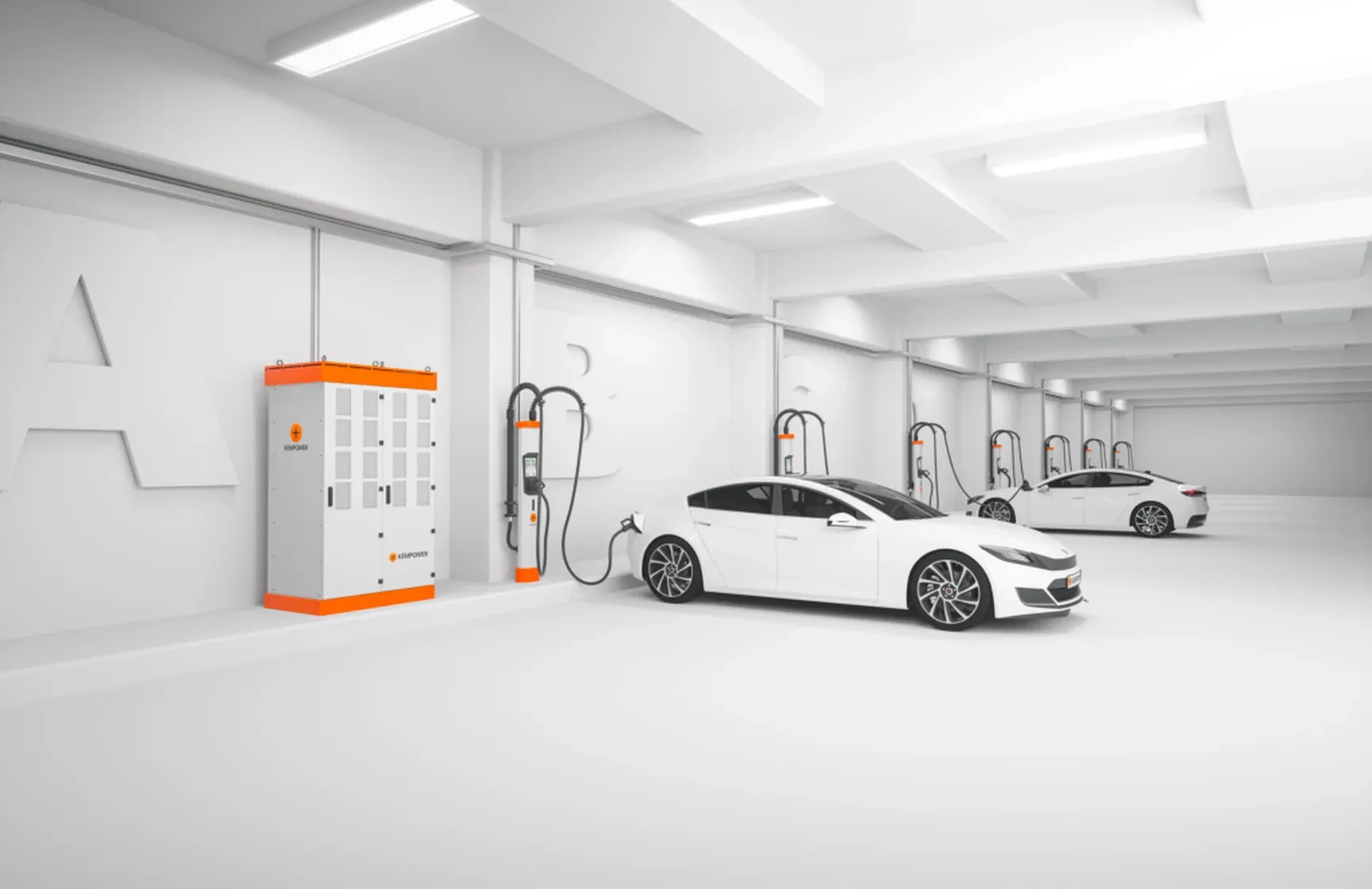
Electric vehicle charging garage infrastructure is becoming a silent yet powerful force behind the global shift to electric mobility. As electric vehicles move from early adoption to mainstream ownership, the need for reliable, intelligent, and accessible charging garages is no longer optional. It is essential.
Whether it is a residential complex, a commercial hub, or a fleet depot, charging garages are reshaping how drivers interact with their vehicles. These spaces are no longer just parking areas. They are intelligent energy hubs that support sustainability, convenience, and future-ready transportation.
Understanding the Role of an Electric Vehicle Charging Garage
An electric vehicle charging garage is a dedicated facility designed to support EV charging with optimized power distribution, safety systems, and smart monitoring tools. Unlike basic charging points, these garages are built to handle multiple vehicles simultaneously without overloading electrical systems.
They integrate hardware, software, and energy management to ensure efficient charging while maintaining grid stability.
Why Charging Garages Matter More Than Public Chargers
Public charging stations are helpful, but they are often limited by availability, waiting time, and location constraints. Charging garages solve this challenge by providing controlled, reliable access where vehicles are already parked for extended periods.
This makes overnight residential charging and workplace charging far more practical for daily EV users.
A Real-Life Shift Toward Charging Garages
Amit, a software professional who recently switched to an electric car, struggled with inconsistent public chargers near his apartment. Delays and downtime affected his daily routine.
After his housing society installed an Electric vehicle charging garage, his experience changed overnight. Charging became predictable, stress-free, and seamlessly integrated into his lifestyle.
Infrastructure That Supports Growing EV Demand
As EV adoption accelerates, charging demand increases exponentially. Charging garages are designed with scalable infrastructure that grows alongside demand.
They include load balancing systems that distribute power efficiently, preventing electrical overload and minimizing operational risk.
Smart Energy Management in Modern Garages
Smart charging garages use software to schedule charging during off-peak hours. This reduces energy costs and supports grid stability.
Advanced systems also integrate renewable energy sources such as solar panels, further reducing environmental impact.
Safety and Compliance at the Core
Electric vehicle charging garages are built with strict safety standards. Fire suppression systems, thermal monitoring, and surge protection are standard components.
Compliance with electrical regulations ensures long-term reliability and protects both vehicles and property.
Charging Garages in Residential Communities
Residential charging garages are rapidly becoming a key selling point for modern housing projects. Homeowners expect EV readiness as part of future-proof living.
By installing charging garages, property developers increase asset value and attract environmentally conscious buyers.
Commercial Benefits of Charging Garages
For offices and retail spaces, charging garages enhance customer experience. Employees can charge vehicles during work hours, while shoppers enjoy added convenience.
This amenity boosts foot traffic and strengthens brand perception as forward-thinking and sustainable.
Fleet Operations and Charging Garages
Fleet operators rely heavily on predictable charging schedules. Charging garages enable centralized charging, reducing downtime and improving operational efficiency.
Fleet managers can monitor usage patterns, optimize routes, and control energy expenses through integrated dashboards.
The Technology Behind Smart Charging Garages
IoT sensors, cloud platforms, and AI algorithms work together to manage charging operations. Real-time data helps operators detect faults early and optimize energy flow.
Remote monitoring reduces maintenance costs and ensures uninterrupted service.
User Experience and Accessibility
Modern charging garages focus heavily on user experience. Mobile apps allow drivers to reserve slots, monitor charging status, and receive notifications.
Accessibility features ensure that charging is inclusive and easy for all users.
Environmental Impact of Charging Garages
Charging garages significantly reduce carbon emissions by supporting electric mobility. When paired with renewable energy, they further lower environmental footprints.
They also reduce dependency on fossil fuels, contributing to cleaner urban environments.
Cost Efficiency Over Time
While initial installation costs can be high, charging garages offer long-term savings. Optimized energy use and reduced vehicle operating costs create strong financial returns.
Many regions also offer incentives and subsidies to support charging infrastructure development.
Integration With Smart Cities
Electric vehicle charging garages are integral to smart city ecosystems. They communicate with energy grids, traffic systems, and urban planning tools.
This integration ensures efficient energy distribution and supports sustainable urban growth.
Addressing Range Anxiety Through Infrastructure
One of the biggest concerns for EV owners is range anxiety. Charging garages provide reassurance by ensuring vehicles are always ready when needed.
Reliable access to charging builds confidence and encourages wider EV adoption.
Data Security and Privacy
Charging garages collect valuable data on energy usage and vehicle behavior. Secure systems protect this data from unauthorized access.
Strong cybersecurity measures build trust among users and operators alike.
The Role of Policy and Regulation
Government policies play a critical role in promoting charging garages. Building codes increasingly mandate EV-ready infrastructure.
These regulations accelerate adoption and standardize charging quality across regions.
Charging Garages and Workplace Mobility
Employers who invest in charging garages demonstrate commitment to sustainability. Employees benefit from convenient charging without altering daily routines.
This initiative also supports corporate ESG goals and enhances employer branding.
EV Charging Garage Maintenance and Reliability
Regular maintenance ensures charging systems perform optimally. Automated diagnostics identify issues before they escalate.
Proactive maintenance minimizes downtime and extends equipment lifespan.
The Economics of Shared Charging Garages
Shared charging garages in mixed-use developments optimize space and resources. Residential, commercial, and public users benefit from shared infrastructure.
This model maximizes utilization and improves return on investment.
Innovation Driving Charging Garage Evolution
Innovation continues to redefine charging garages. Faster chargers, wireless charging pads, and vehicle-to-grid technology are shaping the next generation.
These advancements make charging more efficient and interactive.
Supporting Long-Term EV Growth
Without adequate charging infrastructure, EV adoption slows. Charging garages provide the foundation for sustained growth in electric mobility.
They ensure that infrastructure keeps pace with vehicle innovation.
Global Adoption Trends
Countries worldwide are investing heavily in charging garages. Urban centers lead the way, followed by suburban and rural expansions.
This global momentum reflects a shared commitment to cleaner transportation.
Trust Built Through Reliability and Transparency
Users trust systems that deliver consistent performance. Transparent pricing, reliable uptime, and clear usage data strengthen user confidence.
Charging garages that prioritize reliability gain long-term loyalty.
The Strategic Importance of Charging Garages
For cities, businesses, and individuals, charging garages represent strategic infrastructure. They enable energy efficiency, sustainability, and mobility transformation.
Investing in charging garages today prepares stakeholders for tomorrow’s transportation demands.
Redefining Mobility Spaces
Parking spaces are evolving into energy hubs. Charging garages redefine how space is used in modern cities.
They symbolize the shift from fuel-based mobility to intelligent electric ecosystems.
Empowering the Electric Future
Electric vehicle charging garage solutions are more than infrastructure. They are enablers of a cleaner, smarter, and more connected mobility future.
By combining technology, safety, and user-centric design, charging garages are shaping how electric vehicles fit seamlessly into everyday life.
Read also:
shillong teer result 4:00 p.m.
baccarat card counting
fortune coins promo code