

brake system parts replacement guide knowledge can literally save lives, yet many vehicle owners overlook early warning signs until it’s too late. Your vehicle’s brake system is the most critical safety component, responsible for controlling speed, preventing collisions, and ensuring complete vehicle control in emergencies.
Imagine driving on a busy highway when traffic suddenly stops. You press the brake pedal, expecting immediate response. If your brake pads, rotors, or fluid are worn out, that delayed stopping distance could result in a dangerous accident. This is why understanding brake system maintenance and replacement is essential for every driver.
Brake systems don’t fail instantly. They give warning signs. Recognizing those signs and replacing components on time ensures your vehicle remains safe, responsive, and reliable.
Table of Contents
ToggleUnderstanding the Importance of a brake system parts replacement guide
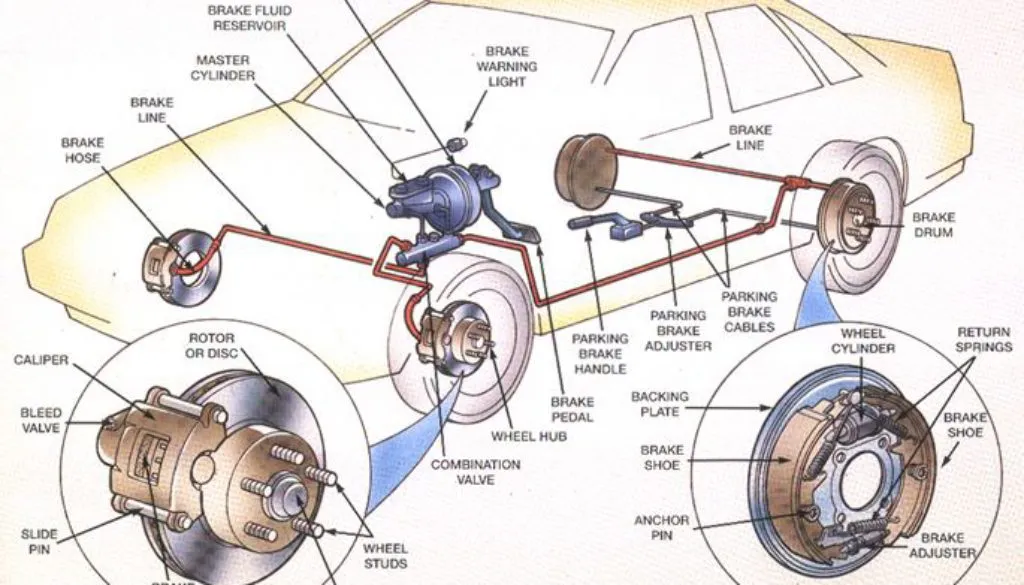
Your brake system works through a precise combination of mechanical and hydraulic components. Each part plays a crucial role in slowing and stopping your vehicle safely.
When you press the brake pedal, hydraulic pressure transfers force to brake pads. These pads press against rotors, creating friction that slows the wheels. Over time, friction causes wear. This wear is natural, but ignoring it can lead to reduced braking efficiency.
A proper brake system parts replacement guide helps drivers understand when to replace worn components before they compromise safety.
Brake failures rarely happen without warning. Most problems develop gradually. Recognizing early symptoms prevents expensive repairs and dangerous driving conditions.
How Brake Systems Work in Real Driving Conditions
Modern vehicles use advanced braking systems designed for reliability and performance. The most common system is the disc brake system, which provides consistent stopping power.
When you apply the brakes, brake fluid transfers pressure to calipers. Calipers push brake pads against rotating discs. This friction converts motion into heat, slowing the vehicle.
Heat is a natural byproduct of braking. However, excessive heat can wear components faster. This is why regular inspections and timely replacements are necessary.
Drivers who understand brake system operation can detect issues earlier and maintain optimal performance.
Warning Signs That Indicate Brake Parts Need Replacement
Brake systems provide clear warning signs before failure. One of the most common signs is a squealing or grinding noise when braking.
This sound usually indicates worn brake pads. Ignoring this noise can damage rotors and increase repair costs.
Another warning sign is vibration in the steering wheel when braking. This often indicates warped rotors.
Soft or spongy brake pedals can signal brake fluid problems or air in the system. This reduces braking efficiency and increases stopping distance.
A reliable brake system parts replacement guide helps drivers recognize these symptoms early.
Brake Pads: The Most Frequently Replaced Component
Brake pads experience the most wear due to constant friction. They are designed to wear gradually and protect other components.
Most brake pads last between 30,000 and 70,000 kilometers, depending on driving conditions.
City driving causes faster wear due to frequent braking. Highway driving causes less wear.
Replacing brake pads on time prevents rotor damage and ensures smooth braking.
Drivers who delay pad replacement often face higher repair costs later.
Brake Rotors and Their Role in Safe Braking
Brake rotors work with brake pads to stop the vehicle. They provide the surface for friction during braking.
Over time, rotors can develop uneven surfaces or warping due to heat.
Warped rotors cause vibration and reduce braking efficiency.
Replacing worn rotors restores smooth braking and improves safety.
Regular inspection ensures rotors remain in good condition.
Brake Fluid: The Hidden Lifeline of Your Brake System
Brake fluid transfers pressure from the pedal to braking components. Without it, brakes cannot function.
Brake fluid absorbs moisture over time, reducing effectiveness.
Contaminated brake fluid can cause brake failure.
Most manufacturers recommend replacing brake fluid every two to three years.
Maintaining proper brake fluid levels ensures consistent performance.
Why Following a brake system parts replacement guide Improves Vehicle Safety
Drivers who follow a brake system parts replacement guide reduce accident risks significantly. Properly maintained brakes provide reliable stopping power.
Timely replacement prevents sudden failures.
Well-maintained brakes improve driver confidence and vehicle control.
Safety is always the primary reason for regular brake maintenance.
Real-Life Example: How Timely Brake Replacement Prevented a Serious Accident
A delivery driver in Mumbai noticed slight squealing when braking. Initially, he ignored it because braking still worked.
During a routine inspection, the mechanic recommended replacing brake pads immediately.
Two weeks later, the driver encountered sudden traffic on a highway. His brakes responded instantly, preventing a collision.
If he had ignored the warning, worn pads could have failed completely.
This real-world example highlights the importance of brake maintenance.
The Cost Benefits of Timely Brake Replacement
Replacing brake pads early is more affordable than replacing rotors and calipers.
Delaying maintenance increases repair costs significantly.
Preventive maintenance saves money in the long term.
Vehicle owners who follow a brake system parts replacement guide avoid expensive repairs.
Proper maintenance protects your investment.
How Driving Habits Affect Brake System Wear
Driving habits directly impact brake component lifespan.
Aggressive braking causes faster wear.
Smooth driving reduces stress on brake components.
Heavy traffic conditions increase brake usage.
Drivers who practice smooth braking extend component lifespan.
The Role of Professional Inspection in Brake Maintenance
Professional mechanics use specialized tools to inspect brake systems.
They measure pad thickness, rotor condition, and fluid quality.
Regular inspections identify problems early.
Professional maintenance ensures optimal braking performance.
Drivers benefit from expert guidance.
Modern Brake Technologies and Their Impact on Replacement
Modern vehicles include advanced braking technologies like ABS.
These systems improve safety and control.
However, they still require regular maintenance.
Electronic components must function properly.
Understanding modern systems helps drivers maintain safety.
Why Genuine Brake Parts Are Essential
Using genuine brake parts ensures compatibility and reliability.
Original components meet manufacturer standards.
Aftermarket parts may vary in quality.
Reliable components improve safety and performance.
Choosing authentic parts ensures long-term reliability.
Environmental Factors That Affect Brake System Performance
Weather conditions affect brake performance.
Rain and humidity can accelerate wear.
Dust and debris can damage components.
Regular cleaning and inspection help maintain performance.
Environmental awareness improves brake longevity.
How Technology Helps Drivers Monitor Brake Health
Modern vehicles include brake wear indicators.
These systems alert drivers when replacement is needed.
Dashboard warning lights provide early alerts.
Technology helps drivers maintain safety.
Drivers can act before serious problems develop.
Common Mistakes Drivers Make Regarding Brake Replacement
Ignoring warning signs is the most common mistake.
Delaying replacement increases risks.
Using low-quality parts reduces safety.
Skipping inspections leads to unexpected failures.
Proper maintenance prevents these problems.
The Long-Term Benefits of Following a brake system parts replacement guide
Drivers who follow a brake system parts replacement guide experience better safety and performance.
Well-maintained brakes improve driving confidence.
Vehicle value remains higher with proper maintenance.
Reliable brakes ensure peace of mind.
Brake maintenance is essential for every vehicle owner.
Read also :-
how much do scratches devalue a car
877-770-8065
car insurance categories
7137309500