

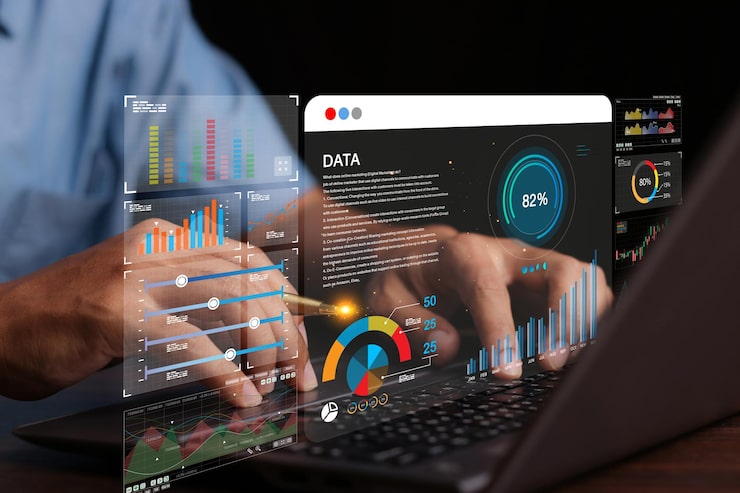
Data-driven marketing is reshaping the way businesses connect with their audience, offering unprecedented precision, efficiency, and insight. By harnessing data from multiple channels, marketers can make informed decisions, personalize experiences, and maximize ROI. Unlike traditional marketing methods that rely on intuition, data-driven marketing relies on concrete metrics to guide strategies and measure success.
With the explosion of digital platforms, consumer behaviors, and technology tools, businesses now have access to vast amounts of data. This wealth of information, when analyzed and applied effectively, empowers brands to deliver the right message to the right audience at the right time.
Understanding the Core of Data-Driven Marketing
At its core, data-driven marketing involves collecting, analyzing, and applying data to improve marketing decisions. Businesses can gather insights from website analytics, social media engagement, email campaigns, and customer feedback. These insights allow companies to understand consumer preferences, buying patterns, and engagement trends.
For example, an e-commerce brand can use data to track which products are viewed most often, which promotions drive conversions, and which channels generate the highest engagement. By integrating this information, the brand can refine marketing campaigns and optimize customer experiences.
The Role of Analytics in Data-Driven Marketing
Analytics is the backbone of data-driven marketing. Tools like Google Analytics, CRM systems, and AI-powered platforms enable marketers to track key performance indicators (KPIs) such as conversion rates, click-through rates, and customer lifetime value.
Through predictive analytics, businesses can anticipate consumer behaviors, forecast trends, and design proactive marketing campaigns. Companies that leverage advanced analytics often outperform competitors by delivering targeted campaigns, reducing wasted budget, and improving customer satisfaction.
Personalization Through Data Insights
One of the most impactful aspects of data-driven marketing is the ability to deliver personalized experiences. Customers are more likely to engage with brands that understand their needs and preferences. By analyzing behavioral data, marketers can segment audiences and tailor content, product recommendations, and offers.
For instance, streaming platforms use data-driven insights to suggest shows and movies based on viewing history. Similarly, retailers can customize promotions for individual shoppers based on purchase history, ensuring higher engagement and conversion rates.
Enhancing Campaign Performance
Data-driven marketing enables continuous optimization of campaigns. Real-time data collection allows marketers to adjust strategies on the fly, improving performance and efficiency. A/B testing, multi-channel attribution, and customer segmentation are just a few methods used to enhance campaigns.
Through these techniques, businesses can identify which messages resonate, which channels perform best, and which timing drives conversions. This iterative approach ensures that marketing efforts are always informed by actionable data.
Integrating AI and Automation
Artificial intelligence (AI) and automation play a pivotal role in data-driven marketing. AI algorithms analyze massive datasets, uncover patterns, and deliver insights that human teams might miss. Automation tools then implement campaigns, optimize bidding, and deliver personalized content at scale.
For example, AI-driven email marketing platforms can automatically send tailored emails based on user behavior, improving engagement while saving time. Chatbots and AI-powered recommendation engines further enhance customer interaction and satisfaction.
Measuring ROI with Precision
Measuring return on investment (ROI) is a critical component of data-driven marketing. By leveraging accurate data, marketers can quantify the impact of each campaign and channel. This allows businesses to allocate resources efficiently, focus on high-performing strategies, and eliminate underperforming efforts.
Companies that track ROI with precision gain insights into what works and what doesn’t, making data-driven marketing a strategic tool for long-term growth and sustainability.
Challenges and Considerations
While data-driven marketing offers significant benefits, it also comes with challenges. Data privacy concerns, regulatory compliance, and accurate data collection are crucial considerations. Businesses must ensure that data is handled ethically, securely, and in accordance with laws such as GDPR and CCPA.
Moreover, data quality is essential. Inaccurate, incomplete, or outdated data can lead to misguided decisions and ineffective campaigns. Investing in reliable data sources, analytics platforms, and skilled teams is critical to overcoming these challenges.
The Future of Data-Driven Marketing
The future of data-driven marketing is closely tied to technological innovation. With advancements in AI, machine learning, and IoT, marketers will gain even deeper insights into consumer behavior. Predictive modeling, real-time personalization, and immersive experiences through augmented and virtual reality are expected to redefine engagement.
As businesses continue to embrace a culture of analytics, data-driven marketing will evolve into a strategic necessity. Brands that successfully integrate data into decision-making will outperform competitors, cultivate loyal customers, and achieve sustainable growth.
Real-Life Success Stories
Several brands have leveraged data-driven marketing to achieve remarkable results. For example, a global e-commerce company used predictive analytics to identify high-value customers and personalized email campaigns to increase retention rates. A leading fashion retailer integrated social media data with sales data to optimize marketing campaigns, boosting revenue and customer engagement simultaneously.
These examples highlight how insights derived from data can be applied across industries, proving the transformative power of data-driven marketing.
Embracing a Data-Centric Culture
Adopting data-driven marketing is not just about technology—it requires a shift in organizational culture. Teams must prioritize data literacy, embrace experimentation, and foster collaboration between marketing, analytics, and IT departments.
Encouraging a data-centric mindset ensures that decisions are grounded in evidence rather than intuition, leading to smarter, more impactful strategies. Companies that cultivate this culture often see faster innovation, improved decision-making, and greater overall business success.
Read also:
south africa national cricket team vs afghanistan national cricket team match scorecard
afghanistan national cricket team vs england cricket team stats
afghanistan national cricket team vs england cricket team timeline
australian men’s cricket team vs pakistan national cricket team match scorecard
pakistan national cricket team vs australian men’s cricket team match scorecard