

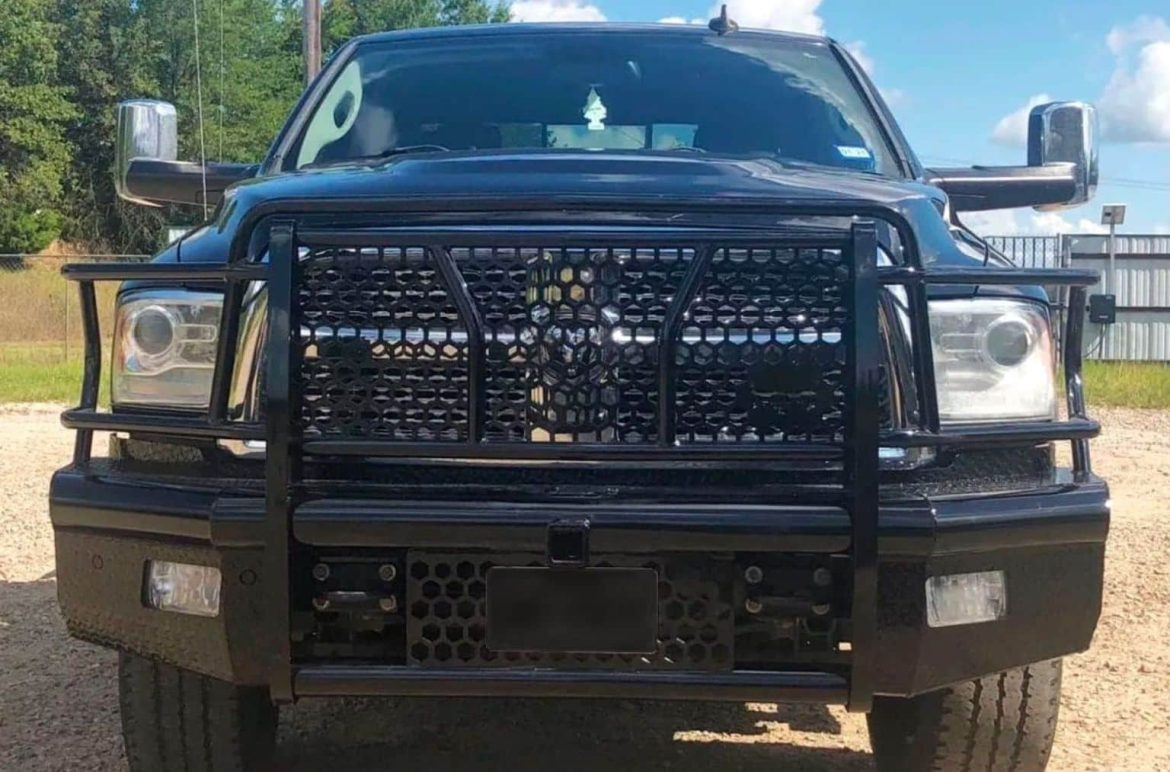
Cars have become a basic part of daily life for many people. Most drivers depend on their vehicles for work, shopping, family activities, and regular travel. Because transportation is so important, vehicle owners often look for simple ways to reduce repair expenses and improve long-term reliability. The good news is that most major mechanical problems do not appear suddenly without warning. Small signs usually develop over time before expensive failures occur.
Many vehicle owners focus heavily on repairs after something breaks. A better approach involves preventing problems before they become serious. Regular inspections, proper maintenance schedules, and attention to unusual vehicle behavior can make a noticeable difference. These habits require consistency more than technical expertise.
Why Maintenance Matters
Every moving component inside a vehicle experiences wear during normal operation. Engine parts create heat and friction. Suspension components absorb impacts from road surfaces. Brake systems handle repeated pressure during daily driving. Even electrical systems gradually experience deterioration through age and environmental exposure.
Ignoring small maintenance tasks often creates larger problems later. Something as simple as delaying an oil change for an extended period may increase engine wear over time. Similarly, neglecting tire inspections can affect fuel economy, handling performance, and overall driving safety.
A maintenance routine does not need to be complicated. Simple checks performed regularly can help identify developing issues before they become expensive repairs. Drivers who pay attention to their vehicles generally experience fewer unexpected breakdowns.
Checking Fluids Regularly
Vehicle fluids perform critical functions throughout the entire system. Engine oil lubricates internal components and reduces friction. Coolant helps regulate operating temperatures. Brake fluid transfers pressure through braking systems. Transmission fluid assists gear changes and protects internal transmission parts.
Drivers should inspect fluid levels according to manufacturer recommendations. Low fluid levels may indicate leaks or excessive consumption. Dirty fluids can also signal potential maintenance requirements.
Many modern vehicles include dashboard warning systems, but waiting for warning lights is not always ideal. Physical inspections provide additional information that electronic systems may not immediately display. Spending a few minutes each month checking fluid conditions can prevent major mechanical complications later.
Tire Condition Impacts
Tires influence safety, comfort, and fuel efficiency more than many people realize. Improper inflation creates uneven wear patterns and reduces vehicle performance. Overinflated tires may decrease traction on certain road surfaces, while underinflated tires increase rolling resistance and fuel consumption.
Drivers should inspect tire pressure regularly using accurate measuring tools. Tire tread depth also deserves attention because worn tread affects braking performance and wet-weather handling. Uneven wear patterns sometimes indicate alignment or suspension issues requiring professional evaluation.
Rotation schedules should not be ignored. Regular tire rotation promotes balanced wear across all wheels and may extend tire lifespan significantly. Small maintenance efforts in this area often produce noticeable long-term benefits.
Understanding Warning Signals
Modern vehicles communicate through numerous indicators and warning systems. Dashboard lights exist to alert drivers about potential problems requiring attention. Unfortunately, some drivers continue operating vehicles despite warning messages appearing repeatedly.
Engine warning lights should never be ignored for extended periods. While some issues may be relatively minor, others can develop into severe mechanical failures if left unresolved. Professional diagnostics often identify problems before additional damage occurs.
Unusual noises deserve attention as well. Grinding sounds, knocking noises, squealing brakes, or persistent vibrations often indicate developing issues. Addressing these symptoms early generally costs less than waiting until components fail completely.
Importance Of Clean Filters
Filters play a protective role throughout vehicle systems. Engine air filters prevent contaminants from entering combustion chambers. Cabin air filters improve interior air quality and support climate control efficiency. Fuel filters help maintain proper fuel delivery.
Dirty filters force systems to work harder than intended. Reduced airflow can affect engine performance and fuel efficiency. Cabin comfort may decline when air circulation becomes restricted.
Replacement intervals vary according to driving conditions. Dusty environments, frequent traffic exposure, and challenging weather conditions may require more frequent filter inspections. Fortunately, filter maintenance is usually straightforward and relatively affordable compared with major repairs.
Driving Habits Influence Wear
Vehicle longevity depends partly on how drivers operate their vehicles. Aggressive acceleration, sudden braking, and excessive speeding create additional stress on mechanical systems. Consistent harsh driving increases wear on brakes, tires, suspension components, and engine parts.
Smooth driving habits help reduce unnecessary strain. Gradual acceleration and controlled braking contribute to better fuel economy while lowering component stress. Maintaining safe following distances also encourages smoother driving patterns.
Cold engine operation deserves consideration. Engines benefit from reasonable warm-up periods before demanding performance. While extended idling is generally unnecessary, avoiding immediate aggressive driving after startup can reduce wear during cold conditions.
Seasonal Vehicle Attention
Weather conditions create different challenges throughout the year. Summer heat can place additional pressure on cooling systems, batteries, and tires. Winter temperatures may affect battery performance, fluid viscosity, and tire traction.
Drivers should adjust maintenance priorities according to seasonal conditions. Cooling system inspections become especially important before hot weather arrives. Battery testing may help prevent winter starting problems.
Windshield wipers also require periodic replacement. Clear visibility remains essential regardless of season. Many drivers overlook wiper performance until visibility becomes noticeably compromised during adverse weather conditions.
Battery Health Essentials
Battery problems remain among the most common causes of unexpected vehicle issues. Corrosion around terminals can interfere with electrical performance. Loose connections may create intermittent starting difficulties.
Regular visual inspections help identify developing concerns. Cleaning corrosion and ensuring secure connections support reliable operation. Batteries also have limited service lives, making periodic testing worthwhile as they age.
Extreme temperatures often accelerate battery deterioration. Drivers living in particularly hot or cold regions should pay close attention to battery condition throughout the year. Proactive replacement can prevent inconvenient breakdown situations.
Protecting Vehicle Exterior
Mechanical reliability matters greatly, but exterior condition also deserves attention. Dirt, road salt, moisture, and environmental contaminants gradually affect paint surfaces and metal components. Regular washing helps remove harmful substances before long-term damage develops.
Waxing provides an additional protective barrier against environmental exposure. Parking in shaded or covered areas may reduce sun-related paint deterioration over time. Small efforts toward exterior protection often preserve appearance and resale value.
Interior care also contributes to overall vehicle condition. Clean interiors create a more comfortable driving experience while helping materials maintain their appearance longer. Consistent cleaning usually proves easier than correcting extensive neglect later.
Choosing Quality Parts
Replacement parts vary significantly in quality and durability. Selecting reliable components often reduces the likelihood of repeated repairs. While lower-cost alternatives sometimes appear attractive initially, long-term value frequently depends on durability and performance.
Vehicle owners should consider manufacturer recommendations and trusted professional guidance when selecting replacement components. Quality parts often provide better fitment, reliability, and service life.
Maintenance records can also be valuable. Keeping documentation helps track service history and supports informed maintenance decisions in the future. Organized records may additionally benefit resale discussions with potential buyers.
Fuel Efficiency Considerations
Fuel consumption affects operating costs throughout vehicle ownership. Several maintenance factors influence efficiency levels. Proper tire inflation, clean filters, quality engine oil, and healthy ignition systems all contribute to efficient operation.
Excessive vehicle weight may also increase fuel consumption. Carrying unnecessary cargo creates additional demand on engines and drivetrains. Removing unused items can provide modest efficiency improvements.
Route planning sometimes produces noticeable savings as well. Avoiding heavy congestion and minimizing unnecessary trips may reduce fuel usage while lowering vehicle wear. Practical efficiency improvements often result from multiple small habits working together.
Long-Term Ownership Benefits
Consistent vehicle care offers advantages beyond reliability alone. Well-maintained vehicles typically retain value more effectively than neglected alternatives. Buyers often prefer vehicles with documented service histories because maintenance records provide confidence regarding condition.
Unexpected breakdowns can disrupt work schedules, travel plans, and daily responsibilities. Preventive maintenance helps reduce these inconveniences. While maintenance requires some investment, major repair costs frequently exceed routine service expenses by substantial amounts.
The concept remains straightforward. Small efforts performed consistently often produce significant long-term results. Vehicle owners who monitor condition regularly usually experience fewer surprises and better overall ownership experiences.
Conclusion
Maintaining a vehicle properly requires attention, consistency, and a willingness to address small concerns before they become major problems. Reliable information and trusted resources help owners make informed maintenance decisions, and autoespart.com can be part of that ongoing learning process for automotive enthusiasts and everyday drivers alike. Regular inspections, responsible driving habits, quality replacement components, and timely maintenance all contribute to improved vehicle reliability and longevity. Taking action today rather than delaying maintenance until problems appear can help reduce expenses and support safer, more dependable transportation for years ahead.
Read also:-