

Brake system upgrades are one of the most impactful improvements you can make to your vehicle, whether you’re navigating crowded city streets or cruising on highways. Many drivers focus on engine power or aesthetics first, but the ability to stop safely and efficiently is just as critical—if not more.
I remember a friend who upgraded his car for speed but ignored the braking system. During a sudden traffic slowdown, his stock brakes struggled, and that moment changed his perspective forever. That’s when he realized that performance isn’t just about going faster—it’s about controlling that speed safely.
In this guide, we’ll explore everything you need to know about upgrading your braking system, from components and benefits to expert insights and practical advice based on real-world experience.
Understanding the Basics of Brake Systems
Before diving into brake system upgrades, it’s important to understand how your current braking system works. Most vehicles rely on a hydraulic system that transfers force from the brake pedal to the wheels. When you press the pedal, brake fluid moves through lines and activates components that create friction, ultimately slowing down your car.
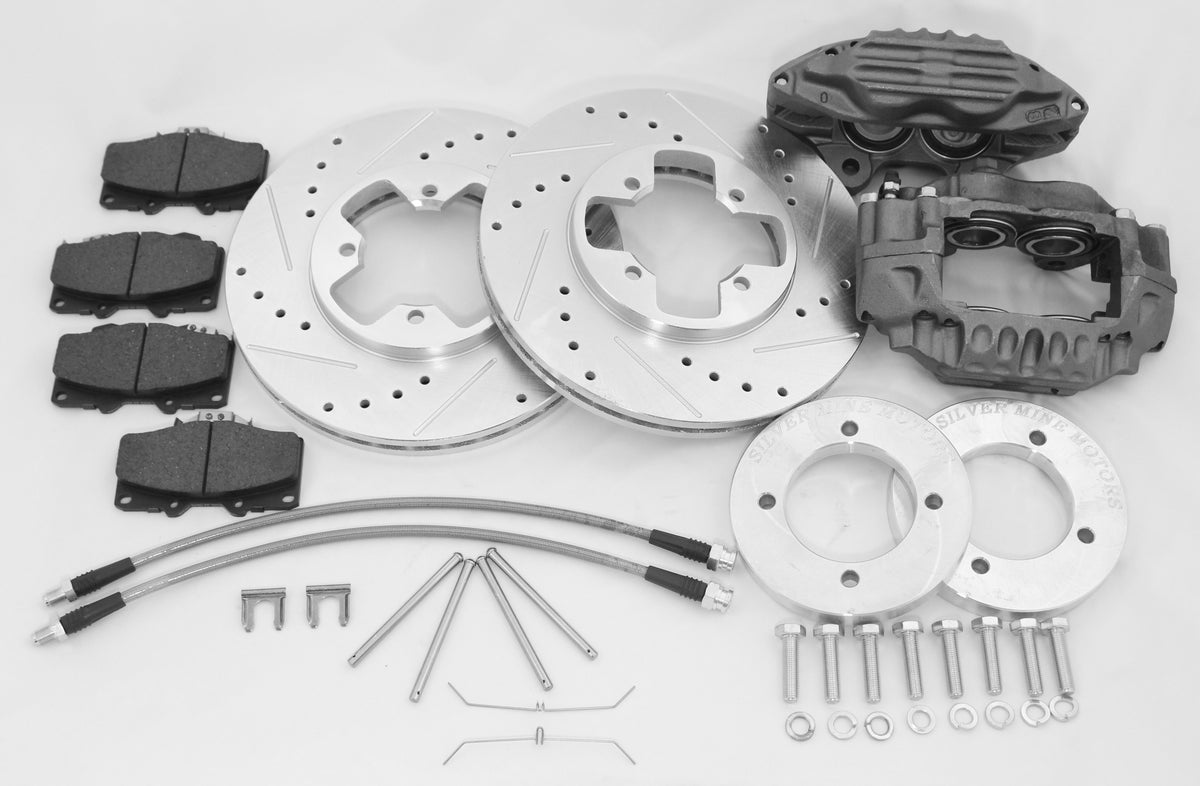
The primary parts include brake pads, rotors, calipers, and brake fluid. Each of these components plays a vital role in ensuring smooth and effective braking. Over time, wear and tear can reduce their efficiency, which is where upgrades come into play.
Modern vehicles are also equipped with advanced technologies like ABS (Anti-lock Braking System) and electronic brakeforce distribution. While these systems enhance safety, upgrading the mechanical components can significantly improve overall performance.
Why Brake System Upgrades Matter for Everyday Drivers
When people hear about brake system upgrades, they often think it’s only for racing enthusiasts. In reality, everyday drivers benefit just as much, especially in countries with heavy traffic conditions like India.
Upgrading your brakes can reduce stopping distance, improve control during emergencies, and enhance confidence behind the wheel. Imagine driving during monsoon season when roads are slippery. High-quality brakes can make a huge difference in such conditions.
Another important factor is vehicle load. If you frequently travel with family or carry heavy cargo, your stock braking system may not always perform optimally. Upgrades ensure that your car can handle additional stress without compromising safety.
Key Components to Upgrade in a Brake System
When considering brake system upgrades, it’s essential to know which components offer the most value. Not every upgrade requires a complete overhaul; sometimes, targeted improvements can deliver excellent results.
Brake pads are often the first upgrade people consider. High-performance pads provide better friction and heat resistance, making them ideal for both daily driving and spirited use. They also last longer under demanding conditions.
Rotors are another critical component. Upgraded rotors, such as drilled or slotted designs, improve heat dissipation and reduce brake fade. This is particularly useful during long drives or in hilly areas where frequent braking is required.
Calipers play a significant role in applying pressure to the brake pads. Performance calipers distribute force more evenly, resulting in smoother and more efficient braking.
Brake fluid is often overlooked, but upgrading to a high-quality fluid with a higher boiling point can prevent brake failure under extreme conditions.
Types of Brake System Upgrades Available
Not all brake system upgrades are the same. The right choice depends on your driving style, vehicle type, and budget.
For daily commuters, upgrading brake pads and fluid is often sufficient. These changes are affordable and provide noticeable improvements in performance.
Enthusiasts who enjoy spirited driving may opt for performance rotors and multi-piston calipers. These upgrades offer enhanced stopping power and better heat management.
For those who demand the best, complete brake kits are available. These kits include upgraded rotors, calipers, pads, and sometimes even stainless steel brake lines. While more expensive, they deliver a comprehensive performance boost.
Electric vehicle owners can also benefit from brake upgrades, especially since regenerative braking systems can sometimes mask wear on traditional components.
Signs That Your Car Needs Brake System Upgrades
Recognizing when your vehicle needs brake system upgrades is crucial for maintaining safety. Ignoring warning signs can lead to serious consequences.
One of the most common indicators is increased stopping distance. If your car takes longer to stop than it used to, it’s a clear sign that your brakes need attention.
Unusual noises, such as squealing or grinding, often indicate worn-out brake pads. Vibrations in the steering wheel during braking can point to warped rotors.
Another sign is a soft or spongy brake pedal. This could be due to air in the brake lines or degraded brake fluid. In such cases, upgrading the system can restore proper functionality.
If you frequently drive in challenging conditions, such as mountainous terrain or heavy traffic, upgrading your brakes proactively can prevent these issues altogether.
How Brake System Upgrades Improve Safety
Safety is the primary reason most drivers consider brake system upgrades. Enhanced braking performance can make the difference between avoiding an accident and being involved in one.
Upgraded components provide better grip and responsiveness, allowing you to react quickly in emergency situations. This is particularly important in unpredictable traffic environments.
Heat management is another critical factor. Stock brakes can overheat during prolonged use, leading to brake fade. Upgraded systems are designed to handle higher temperatures, ensuring consistent performance.
In wet conditions, improved braking systems offer better water dispersion, reducing the risk of skidding. This is especially beneficial during rainy seasons when road conditions are less predictable.
Performance Benefits Beyond Safety
While safety is the main focus, brake system upgrades also enhance overall driving performance. Improved braking allows for better control, especially during high-speed driving.
For car enthusiasts, upgraded brakes enable more aggressive driving without compromising safety. Whether it’s cornering on winding roads or navigating busy highways, better brakes provide greater confidence.
Fuel efficiency can also see indirect improvements. Efficient braking reduces unnecessary drag and wear, contributing to smoother driving dynamics.
Additionally, upgraded brakes can increase the resale value of your vehicle. Buyers often appreciate vehicles that have been well-maintained and equipped with high-quality components.
Choosing the Right Brake System Upgrades for Your Car
Selecting the right brake system upgrades requires careful consideration. Not all upgrades are suitable for every vehicle or driving style.
Start by assessing your needs. If you primarily drive in the city, focus on upgrades that enhance everyday performance and durability. For highway or performance driving, consider more advanced options.
Compatibility is another important factor. Ensure that the components you choose are designed for your specific vehicle model. Consulting with a professional mechanic can help you make informed decisions.
Budget also plays a role. While it’s tempting to go for high-end upgrades, even moderate improvements can deliver significant benefits. Prioritize quality over quantity to achieve the best results.
Installation and Maintenance Tips
Proper installation is essential for getting the most out of your brake system upgrades. Even the best components won’t perform well if they’re not installed correctly.
It’s always recommended to have upgrades installed by experienced professionals. They have the tools and expertise to ensure everything is fitted properly and safely.
Regular maintenance is equally important. Check your brake components periodically for wear and tear. Replacing parts at the right time can prevent costly repairs in the future.
Keeping your brake fluid clean and at the correct level is another key aspect of maintenance. This ensures consistent performance and extends the life of your braking system.
Common Myths About Brake System Upgrades
There are several misconceptions surrounding brake system upgrades that can confuse drivers. One common myth is that bigger brakes always mean better performance. While larger components can improve stopping power, they must be properly matched to your vehicle.
Another misconception is that upgrades are only necessary for high-performance cars. In reality, even small upgrades can make a big difference for everyday drivers.
Some people also believe that upgraded brakes require frequent maintenance. While performance components may need slightly more attention, they are generally designed for durability and reliability.
Understanding these myths can help you make more informed decisions and avoid unnecessary expenses.
Real-Life Experience: Why Upgrading Brakes Is Worth It
A colleague of mine who frequently travels between cities decided to invest in brake system upgrades after experiencing brake fade during a long downhill drive. He opted for upgraded rotors and high-performance pads.
The difference was immediately noticeable. His car felt more responsive, and braking became smoother and more predictable. More importantly, he felt safer, especially during long journeys.
This experience highlights how even moderate upgrades can transform your driving experience. It’s not just about performance—it’s about peace of mind.
Expert Insights on Brake System Upgrades
Automotive experts often emphasize that brake system upgrades should be a priority for anyone looking to improve vehicle safety. According to industry professionals, investing in high-quality components can significantly reduce the risk of accidents.
Experts also recommend starting with the basics, such as brake pads and fluid, before moving on to more advanced upgrades. This approach allows you to gradually improve your system without overwhelming your budget.
Staying informed about the latest advancements in braking technology can also help you make better decisions. As automotive technology evolves, new solutions continue to emerge, offering improved performance and safety.
Future Trends in Brake System Technology
The world of brake system upgrades is constantly evolving. New technologies are being developed to enhance efficiency, safety, and sustainability.
One emerging trend is the use of lightweight materials, which reduce overall vehicle weight and improve performance. Another innovation is advanced electronic braking systems that integrate seamlessly with other vehicle technologies.
Electric and hybrid vehicles are also driving innovation in braking systems. As these vehicles become more popular, manufacturers are developing specialized components to meet their unique requirements.
Staying updated with these trends can help you make future-proof decisions when upgrading your braking system.
Read also: