

Traditional Indian Drinks are an essential part of India’s culinary culture. Across different regions of the country, beverages have long played a role in daily life, festivals, hospitality, and seasonal wellness. These drinks are not only refreshing but also deeply connected to cultural traditions that have been passed down through generations.
Imagine visiting an Indian home on a warm afternoon and being welcomed with a chilled glass of homemade beverage prepared with natural ingredients and aromatic spices. The drink instantly refreshes you and introduces you to flavors that reflect centuries of culinary wisdom.
India’s diverse climate and agricultural abundance have inspired a wide variety of beverages made from fruits, herbs, milk, and spices.
These traditions continue to thrive today as people rediscover the charm and health benefits of Traditional Indian Drinks.
Table of Contents
ToggleThe Cultural Importance of Traditional Indian Beverages
In India, offering a drink to guests is considered a gesture of warmth and respect. Many traditional beverages are prepared during special occasions, religious ceremonies, and family gatherings.
Each region of the country has its own signature drinks shaped by local ingredients and climate.
For example, refreshing yogurt-based beverages are common in northern India, while coconut-based drinks are popular in southern coastal regions.
These beverages not only quench thirst but also reflect cultural heritage.
Historians studying Indian cuisine often point out how ancient health practices such as Ayurveda influenced the development of these drinks.
Because of this cultural and historical connection, Traditional Indian Drinks remain deeply valued in Indian households.
Lassi: The Iconic Yogurt Drink
One of the most well-known beverages in India is lassi. This refreshing yogurt drink has been enjoyed for centuries, particularly in the northern regions of the country.
Lassi is typically made by blending yogurt with water, sugar, or salt and sometimes flavored with fruits or spices.
The drink is especially popular during hot summer months because yogurt helps cool the body naturally.
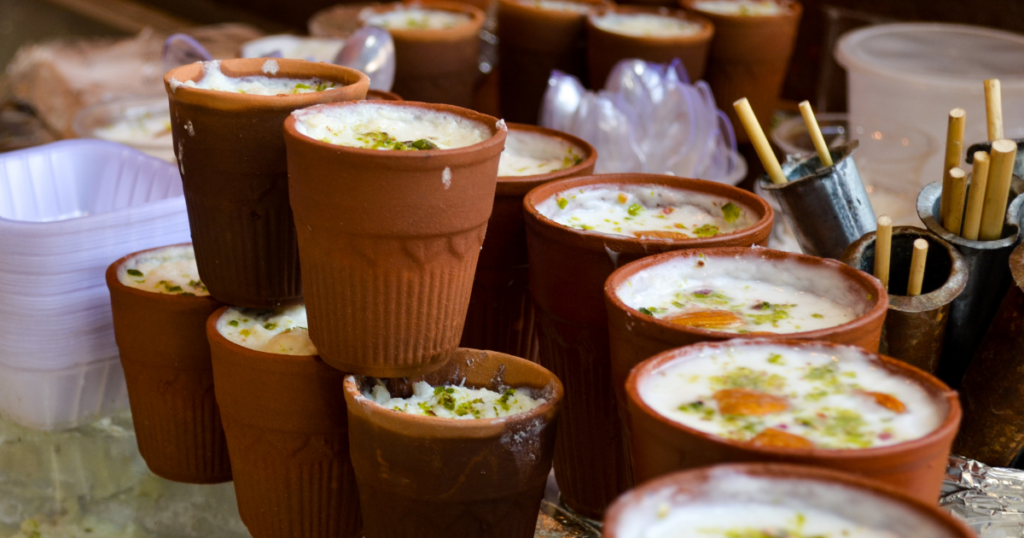
Visitors traveling to Amritsar often discover large glasses of creamy lassi served in traditional clay cups.
Sweet mango lassi and salted lassi are two of the most loved variations.
Because of its refreshing taste and digestive benefits, lassi remains a classic example of Traditional Indian Drinks.
Jaljeera: A Spicy and Tangy Refreshment
Jaljeera is another popular beverage that showcases the bold flavors of Indian spices.
This drink is made using cumin, mint, black salt, tamarind, and lemon juice mixed with chilled water.
The result is a tangy and slightly spicy drink that stimulates digestion and refreshes the body.
Jaljeera is often served during summer months or as a welcome drink at gatherings.
Its strong aroma and unique taste make it instantly recognizable.
Street vendors and restaurants across India continue to serve this flavorful beverage.
Among the many Traditional Indian Drinks, jaljeera stands out for its distinctive blend of spices and refreshing taste.
Aam Panna: A Summer Favorite
Aam panna is a refreshing drink made from raw green mangoes. It is especially popular during the scorching summer season.
The mangoes are boiled or roasted, then blended with sugar, mint, and spices to create a sweet and tangy drink.
This beverage is known for its cooling properties and ability to prevent dehydration during hot weather.
Many families prepare large batches of aam panna at home to enjoy throughout the summer.
The natural flavors of mango combined with aromatic spices create a delicious and energizing drink.
Because of its seasonal significance, aam panna remains one of the most cherished Traditional Indian Drinks.
Masala Chaas: A Digestive Delight
Masala chaas is another yogurt-based beverage widely consumed in India. It is lighter than lassi and often flavored with roasted cumin, coriander, and fresh herbs.
Chaas is commonly served after meals because it aids digestion and refreshes the palate.
In rural communities and farming regions, chaas is considered a daily staple during warm weather.
The drink is often prepared fresh using homemade yogurt and chilled water.
Regions like Ahmedabad are famous for their flavorful variations of masala chaas.
The drink’s simplicity and health benefits make it a staple among Traditional Indian Drinks.
Thandai: A Festive Beverage
Thandai is a rich and aromatic drink traditionally associated with Indian festivals.
Prepared using milk, almonds, fennel seeds, cardamom, and saffron, thandai offers a unique blend of flavors.
The drink is particularly popular during the festival of Holi, when families gather to celebrate with colorful festivities and traditional sweets.
The cooling ingredients used in thandai are believed to balance body heat during the warmer months.
The drink’s creamy texture and fragrant spices make it a luxurious treat during celebrations.
Among festive Traditional Indian Drinks, thandai holds a special place in Indian culture.
Nimbu Pani: India’s Classic Lemonade
Nimbu pani is one of the simplest yet most refreshing beverages in India.
Made with fresh lemon juice, water, sugar, and a pinch of salt, this drink is perfect for hot summer days.
Sometimes spices like roasted cumin or black salt are added to enhance the flavor.
Street vendors, cafes, and homes across the country serve nimbu pani as a quick refreshment.
Its balance of sweet, salty, and tangy flavors makes it incredibly satisfying.
Because of its simplicity and accessibility, nimbu pani continues to represent the everyday charm of Traditional Indian Drinks.
Coconut Water: Nature’s Hydrating Drink
In coastal regions of India, coconut water is one of the most popular natural beverages.
Fresh coconuts are sold by street vendors who cut them open and serve the water directly from the shell.
The drink is naturally sweet, refreshing, and rich in electrolytes.
Cities like Kochi are famous for their abundant coconut groves and fresh coconut drinks.
Health experts often recommend coconut water for hydration and recovery after physical activity.
Its natural purity makes it a timeless example of Traditional Indian Drinks.
The Health Wisdom Behind Traditional Indian Drinks
Many traditional beverages in India were originally created not only for taste but also for health benefits.
Ancient wellness practices emphasized the importance of balancing the body through natural foods and drinks.
Ingredients like cumin, mint, ginger, and fennel are commonly used in traditional beverages because they aid digestion and support overall health.
These drinks also help the body adapt to seasonal changes, particularly the intense heat experienced in many parts of India.
The connection between nutrition and tradition is one reason these beverages have remained popular for centuries.
The enduring relevance of Traditional Indian Drinks reflects the wisdom of generations who understood the value of natural ingredients and balanced nutrition.
Traditional Drinks in Modern Times
Although modern beverages such as sodas and packaged juices have become widely available, many people are returning to traditional drinks for their natural flavors and health benefits.
Restaurants and cafes across India now serve classic beverages alongside contemporary dishes.
Food entrepreneurs and chefs have also begun reintroducing traditional drinks to younger audiences.
Some even experiment with modern presentation while maintaining authentic recipes.
Television cooking shows like MasterChef India frequently highlight traditional Indian beverages as part of the country’s culinary heritage.
Through these efforts, Traditional Indian Drinks continue to remain relevant in modern lifestyles while preserving the rich flavors and cultural traditions of India.
Read also: