

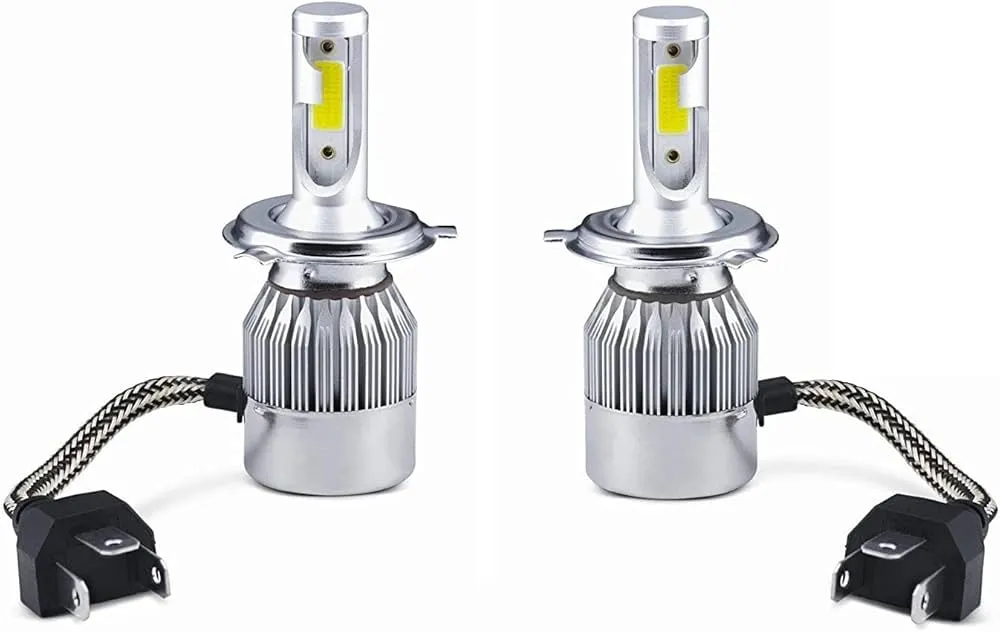
LED headlight conversion kit upgrades have become one of the most popular modifications among car owners who want better visibility and a modern look without replacing the entire headlight assembly. If you’ve ever driven on a poorly lit highway and felt your factory halogen lights weren’t strong enough, you understand the appeal.
A client once told me that night driving used to make him anxious, especially on rural roads with minimal street lighting. After installing a quality LED setup, he described the difference as “switching from a candle to daylight.” While that may sound dramatic, the improvement in clarity and beam sharpness can truly feel transformative when done correctly.
Understanding how LED technology works, and choosing the right product, is essential before making the switch.
Why Upgrade to an LED Headlight Conversion Kit?
Traditional halogen bulbs have been standard for decades. They’re affordable and functional, but they don’t offer the brightness, energy efficiency, or lifespan of modern lighting solutions.
An LED headlight conversion kit replaces your existing halogen bulbs with light-emitting diode technology. LEDs produce brighter, whiter light while consuming less power. That means improved visibility without putting extra strain on your vehicle’s electrical system.
The crisp white beam not only enhances road clarity but also improves reaction time. Drivers can spot obstacles, lane markings, and road signs earlier.
Safety is often the biggest reason people consider this upgrade.
Understanding How LED Technology Works
LEDs function differently than halogen bulbs.
Instead of using a filament that heats up to produce light, LEDs generate illumination through semiconductor movement. This process produces less heat and far more efficiency.
A high-quality LED headlight conversion kit includes bulbs, cooling systems, and sometimes external drivers to regulate voltage. Cooling is especially important because even though LEDs generate less heat forward, they produce heat at the base.
Effective heat management ensures longevity and consistent brightness.
When properly engineered, LED kits can last significantly longer than halogen bulbs.
Key Benefits of Installing an LED Headlight Conversion Kit
Improved brightness is the most noticeable upgrade.
LED lights typically emit a color temperature between 5,000K and 6,500K, creating a daylight-like white beam. This contrasts sharply with the yellowish glow of halogens.
Energy efficiency is another advantage. LEDs draw less power from the battery, which can contribute to overall electrical stability.
Durability also stands out. A well-built LED headlight conversion kit can last tens of thousands of hours under normal conditions.
For drivers who frequently travel at night, these benefits can significantly enhance driving confidence.
Real-World Driving Experience After Upgrading
Drivers often report a dramatic improvement in nighttime clarity.
Road edges become sharper. Reflective signs stand out more clearly. Rainy conditions feel less intimidating due to stronger beam penetration.
One SUV owner shared that highway driving felt smoother because he could see further ahead without straining his eyes.
However, quality matters. Cheap kits can produce scattered beams that cause glare for oncoming traffic.
Proper alignment and installation ensure that your LED headlight conversion kit enhances safety without creating hazards.
Choosing the Right LED Headlight Conversion Kit
Not all kits are created equal.
Compatibility with your vehicle’s housing is critical. Reflector-style and projector-style headlights behave differently with LED bulbs.
Look for kits specifically designed for your bulb type, whether it’s H4, H7, 9005, or another configuration.
Beam pattern design is equally important. A reliable LED headlight conversion kit should replicate the original filament position to maintain proper light distribution.
Check reviews, warranty coverage, and manufacturer reputation before purchasing.
Quality components protect both your investment and road safety.
Installation: What to Expect
Many LED kits are designed for plug-and-play installation.
This typically involves removing the old halogen bulb, inserting the LED replacement, and connecting the driver unit if required.
In most vehicles, installation takes under an hour. However, tight engine bays may require additional patience.
Ensuring correct bulb orientation is essential for optimal beam pattern.
After installation, always test your headlights against a wall to confirm proper alignment.
Small adjustments can make a significant difference in beam accuracy.
Addressing Legal and Regulatory Considerations
Before upgrading, check local regulations regarding aftermarket lighting.
Some regions require headlights to meet specific brightness and beam pattern standards.
Using a certified LED headlight conversion kit reduces the risk of compliance issues.
Avoid excessively high color temperatures that produce bluish or purple hues, as they may attract unwanted attention from traffic authorities.
Responsible upgrades prioritize safety and legality.
Staying informed protects both you and other drivers on the road.
Heat Management and Cooling Systems
LED bulbs include cooling mechanisms such as fans or heat sinks.
Active cooling systems use small fans to dissipate heat efficiently. Passive systems rely on aluminum heat sinks for airflow.
High-quality cooling ensures long lifespan and consistent brightness.
When evaluating an LED headlight conversion kit, inspect the cooling design carefully.
Overheating can reduce performance and shorten bulb life.
Reliable brands prioritize thermal stability.
Comparing LED to HID and Halogen
Halogen bulbs are affordable but less bright.
HID systems offer strong illumination but require ballasts and can take time to warm up.
LED technology combines instant brightness with efficiency and durability.
Many drivers prefer the balance provided by an LED headlight conversion kit, especially for daily driving.
Unlike HIDs, LEDs illuminate immediately, which improves response time during quick headlight activation.
Modern advancements have made LEDs the preferred upgrade choice for many vehicle owners.
Maintenance and Longevity
One major advantage of LED systems is minimal maintenance.
Unlike halogen bulbs that burn out frequently, LEDs maintain consistent brightness over extended periods.
Occasional inspection ensures cooling components remain clean and unobstructed.
Keeping headlight lenses clear also maximizes light output.
Regular vehicle maintenance supports overall lighting performance.
Long-term durability adds financial value to the upgrade.
Avoiding Common Installation Mistakes
Incorrect bulb positioning can distort beam patterns.
For reflector housings, improper alignment may create glare.
Ensure connectors are secure and wiring does not interfere with moving parts.
Some vehicles may require CANbus adapters to prevent dashboard warning lights.
Investing time in careful installation ensures your LED headlight conversion kit performs as intended.
Rushing the process often leads to unnecessary complications.
Patience pays off.
The Aesthetic Upgrade Factor
Beyond safety, many drivers appreciate the modern appearance LEDs provide.
The crisp white beam gives vehicles a contemporary look similar to factory-installed premium lighting.
This subtle transformation enhances curb appeal.
A clean lighting upgrade can even increase resale attractiveness.
Style and function merge effectively when chosen wisely.
Visual upgrades should always complement practical improvements.
Cost vs Value Consideration
While LED kits cost more than halogen replacements, long-term savings justify the investment.
Reduced energy consumption, longer lifespan, and fewer replacements add value over time.
Choose reputable brands rather than the cheapest option available.
Balanced budgeting ensures performance without compromise.
A reliable lighting upgrade enhances daily driving satisfaction.
Smart investments focus on quality over short-term savings.
Nighttime driving presents challenges that proper lighting can significantly reduce. By understanding compatibility, installation, legal requirements, and performance expectations, drivers can make informed decisions about upgrading their vehicle’s lighting system. An effective LED solution not only improves visibility but also enhances safety, efficiency, and overall driving experience.
Read also: