

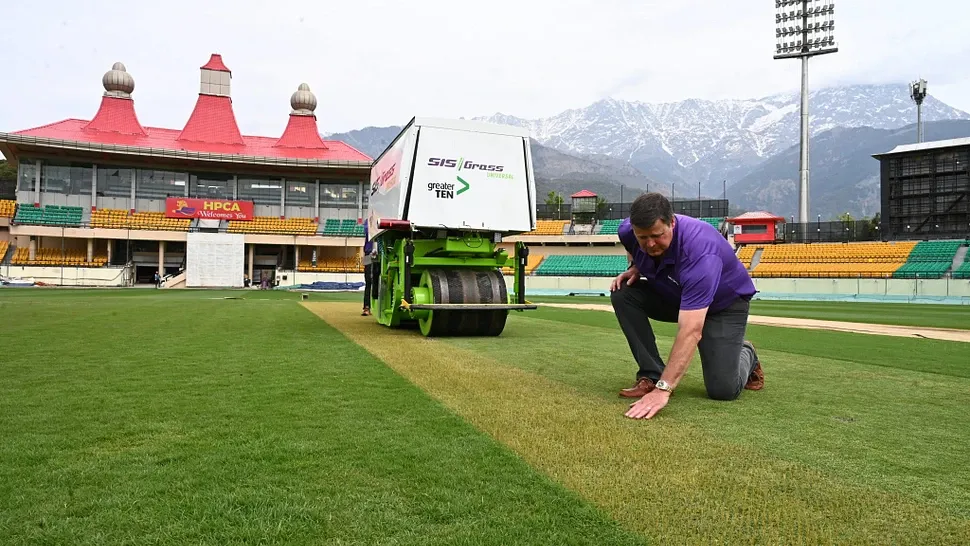
Hybrid Pitch Technology is rapidly transforming the way cricket surfaces are prepared, maintained, and experienced across the world. Grounds that once struggled with inconsistent bounce or excessive wear are now benefiting from a smart blend of natural grass and synthetic reinforcement.
For decades, pitch preparation relied heavily on soil composition, weather patterns, and curator expertise. While skilled groundsmen could produce exceptional surfaces, variability remained part of the game. Today, innovation is reshaping that unpredictability.
From international stadiums to multi-purpose arenas, hybrid systems are creating durable, balanced playing conditions that serve both players and spectators.
Table of Contents
ToggleThe Science Behind Hybrid Pitch Technology
At its core, hybrid systems combine natural turf with artificial fibers stitched into the surface. These fibers reinforce the grass roots, providing additional stability and strength.
Unlike fully synthetic pitches, hybrid surfaces preserve the traditional feel of natural grass. Players still experience authentic seam movement, spin response, and bounce.
The integration process involves precision machinery that injects synthetic strands evenly across the pitch block. Once embedded, natural grass grows around these fibers, creating a unified, resilient layer.
This scientific innovation defines Hybrid Pitch Technology as a bridge between tradition and modern engineering.
Why Cricket Needed Hybrid Solutions
Cricket pitches endure intense wear, especially during multi-day matches and high-profile tournaments. Fast bowlers land repeatedly on the same areas, and batters mark creases with constant footwork.
In venues hosting events like the ICC Cricket World Cup, maintaining pitch consistency across matches becomes critical.
Weather unpredictability further complicates preparation. Heavy rain can weaken soil structure, while extreme heat accelerates cracking.
By reinforcing root systems, Hybrid Pitch Technology addresses these long-standing challenges without compromising the essence of the game.
Consistency and Player Confidence
Ask any professional cricketer, and they will emphasize the importance of consistent bounce.
Unpredictable surfaces increase injury risks and alter match fairness. When players step onto a hybrid surface, they often notice improved stability underfoot.
This consistency enhances confidence for batters facing high speeds from bowlers like Pat Cummins. Bowlers, in turn, trust that their landing zones will remain intact throughout long spells.
The reliability offered by Hybrid Pitch Technology elevates match quality across formats.
Hybrid Pitch Technology in Multi-Use Stadiums
Modern stadiums frequently host multiple sports and entertainment events. Grounds must withstand concerts, football matches, and cricket fixtures within tight schedules.
Hybrid systems provide the durability required for such versatility. For example, iconic venues like Melbourne Cricket Ground have explored advanced turf solutions to manage heavy usage.
Hybrid reinforcement minimizes surface damage during non-cricket events.
This adaptability makes Hybrid Pitch Technology a practical investment for stadium authorities worldwide.
Balancing Tradition and Innovation
Cricket purists often express concern when technology alters long-standing traditions. However, hybrid pitches do not eliminate natural elements.
The ball still reacts to grass cover, moisture levels, and curator preparation techniques. Spin bowlers can extract turn, and seamers can generate movement depending on conditions.
Hybrid reinforcement simply ensures structural stability, reducing excessive deterioration.
In this sense, Hybrid Pitch Technology enhances rather than replaces the craftsmanship of experienced curators.
Environmental Sustainability Considerations
Water management remains a significant issue in pitch maintenance. Natural grass surfaces require careful irrigation, especially in arid climates.
Hybrid systems can reduce overall water consumption by improving root resilience and minimizing surface damage.
Stronger root networks mean less frequent reseeding and restoration.
By supporting sustainable practices, Hybrid Pitch Technology aligns with modern environmental standards in sports infrastructure.
Adoption Across Global Cricketing Nations
Several cricket boards are experimenting with hybrid installations. The England and Wales Cricket Board has explored reinforced surfaces to manage heavy county schedules.
Countries with extreme climates, including Australia, are evaluating hybrid options to handle heat stress.
Emerging cricket nations are also considering these systems to maximize limited resources and infrastructure budgets.
The global interest signals growing trust in Hybrid Pitch Technology as a long-term solution.
Impact on Different Formats of the Game
Test cricket demands durability over five days. T20 leagues require surfaces that encourage competitive balance between bat and ball.
Hybrid reinforcement supports both needs. In longer formats, it prevents excessive wear on day four and five. In shorter formats, it maintains even bounce throughout fast-paced innings.
This versatility makes Hybrid Pitch Technology particularly valuable in an era where formats overlap and stadium usage intensifies.
Safety and Injury Prevention
Player safety remains paramount in professional sport. Uneven landing zones increase the risk of ankle and knee injuries for fast bowlers.
Reinforced turf provides additional grip and shock absorption.
Medical teams increasingly appreciate the reduced stress on joints and ligaments.
Such safety benefits further strengthen the case for Hybrid Pitch Technology in elite competitions.
Economic Considerations and Investment
Installing hybrid systems requires upfront investment in specialized machinery and expertise. However, long-term maintenance costs may decrease.
Reduced surface damage means fewer full pitch relays and lower restoration expenses.
For stadiums hosting global tournaments, this durability ensures consistent broadcast quality and audience satisfaction.
Financial planning committees view Hybrid Pitch Technology as both a performance upgrade and a strategic investment.
Role of Groundsmen and Expertise
Technology does not replace human skill. Experienced groundsmen remain central to pitch preparation.
Hybrid systems still require precise rolling, mowing, and moisture management.
Training programs are evolving to equip curators with knowledge about synthetic fiber integration and maintenance protocols.
The collaboration between expertise and innovation defines the future of Hybrid Pitch Technology.
Hybrid Pitch Technology and Broadcast Quality
High-definition broadcasting has amplified scrutiny of pitch conditions. Viewers can instantly notice cracks, uneven patches, or excessive wear.
Hybrid surfaces offer a visually uniform appearance, enhancing television presentation.
Sponsors and broadcasters appreciate the professional aesthetic that reinforced pitches provide.
In this way, Hybrid Pitch Technology contributes not only to performance but also to the sport’s commercial appeal.
The Future Outlook of Hybrid Pitch Technology
Research continues into improving fiber materials and integration techniques. Engineers aim to refine durability while preserving natural playability.
Collaboration between turf scientists, cricket boards, and environmental experts is expanding.
As climate patterns shift and match calendars grow denser, innovation will become increasingly essential.
The steady adoption of Hybrid Pitch Technology signals a broader evolution in cricket infrastructure, blending science, sustainability, and sporting tradition into one resilient playing surface.
Read also:
gulf giants vs mi emirates match scorecard
england cricket team vs afghanistan national cricket team match scorecard
south africa national cricket team vs sri lanka national cricket team match scorecard
pakistan national cricket team vs india national cricket team timeline